How Long Does Vinyl Siding Last On A House?
Vinyl siding is one of the most popular exterior materials for homes—and for good reason. Not only does it offer affordability and aesthetic versatility, but it’s also known for its durability. But how long does vinyl siding last on a house? The answer depends on various factors, from installation quality to maintenance routines.
This blog dives deep into everything you need to know about the lifespan of vinyl siding. We’ll cover:
- Average lifespan of vinyl siding
- Factors that affect its longevity
- When it’s time to replace your siding
🔎 How Long Does Vinyl Siding Last?
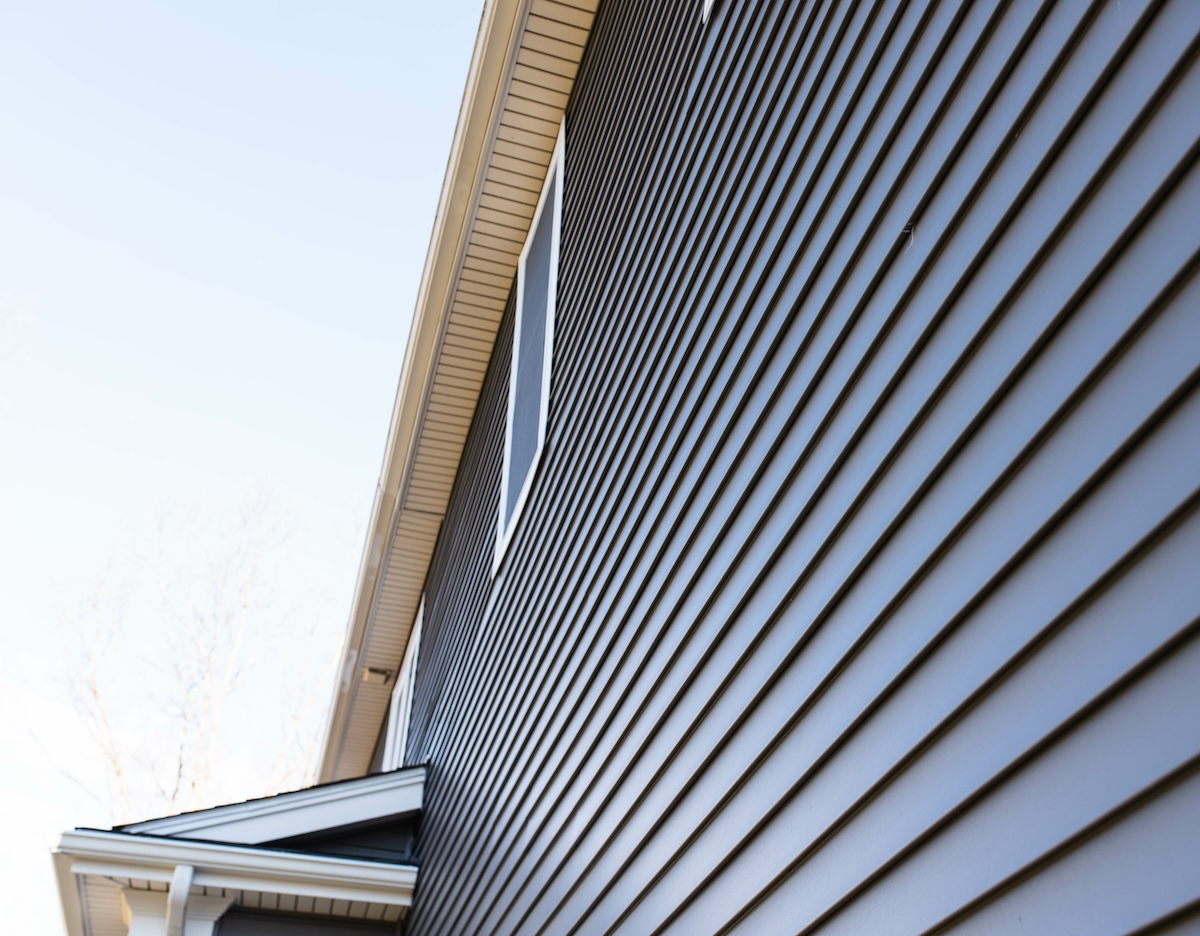
On average, vinyl siding lasts between 20–40 years. With proper maintenance and the right conditions, it may even exceed 40 years. This wide range depends on several factors, including the quality of the siding, exposure to weather, and upkeep.
Vinyl siding is constructed from polyvinyl chloride (PVC), a durable plastic material that resists rot, pests, and moisture damage. It maintains its color and texture well over time with minimal maintenance compared to wood or other siding materials.
But durability isn’t just about the material itself. Other elements such as installation quality or environmental stressors play a critical role.
Maximizing the Lifespan of Your Vinyl Siding
If you want your vinyl siding to last as long as possible, here’s how to keep it looking great and standing strong:
- Invest in premium vinyl siding with warranties of 25 to 50 years for long-lasting protection.
- Clean regularly using a soft brush or microfiber cloth, avoiding abrasive tools or harsh chemicals.
- Inspect for cracks, loose panels, or warping every few months to catch issues early.
- Choose UV-resistant finishes for sunny climates or reinforced siding for high-wind areas.
- Opt for professional installation to ensure proper setup and minimize future damage.
👉 5 Factors That Affect Vinyl Siding Lifespan
The lifespan of vinyl siding isn’t set in stone; several key factors can directly impact how long it lasts on your home. Here’s a breakdown of what to keep in mind:
1. Quality of Vinyl Siding
Not all vinyl siding is created equal, and choosing the right quality can have a significant impact on your home’s durability and appearance over time. Higher-quality vinyl siding may come with a steeper upfront cost, but it often pays off in the long run. Premium-grade siding is engineered to resist cracking, warping, and fading, even after years of exposure to the elements. It offers stronger fade resistance thanks to advanced UV protection, helping it maintain its color and vibrancy for many years.
On the other hand, budget-friendly options might seem appealing at first glance due to their lower price tag, but they often come with compromises. Cheaper siding may be more prone to wear and tear, such as fading, cracking, and damage from impact. These issues can lead to more frequent repairs or even full replacements, which could end up costing you more in the long term.
When evaluating vinyl siding, consider features like impact resistance, UV protection, and thickness. Thicker siding materials generally provide better insulation and durability, keeping your home better protected and more energy-efficient. Investing in high-quality siding is a smart decision if you want a solution that will stand the test of time.
2. Installation Quality
Even the most durable and high-quality vinyl siding won’t perform as intended if it’s not installed properly. The installation process is critical to ensuring your siding remains secure, weather-resistant, and long-lasting. Proper installation involves several factors that directly impact the siding’s performance and durability.
First, the siding must be securely fastened but not too tight. Vinyl siding is designed to expand and contract with temperature changes, and over-fastening can cause it to buckle or warp as it shifts. Ensuring there is adequate room for movement is key to maintaining the siding’s structural integrity.
Second, proper insulation and moisture barriers installed beneath the siding are essential to protect your home from water damage and energy loss. Without these barriers, moisture can seep into your walls, leading to mold, mildew, and structural issues. Insulation also helps improve your home’s energy efficiency, keeping it cooler in the summer and warmer in the winter.
Lastly, hiring experienced professionals is crucial for a successful installation. Licensed installers, like our team at Perfect Siding, have the expertise to handle every step of the process with precision. They understand how to navigate challenges like uneven surfaces, complex angles, and tricky weather conditions to ensure your siding looks great and lasts for years.
3. Weather Conditions
The climate where you live is a major factor in how your vinyl siding will perform over time. Different weather conditions can affect the longevity and appearance of your siding in various ways, so it’s important to choose a product that suits your local environment.
- Harsh sunlight: Prolonged exposure to strong UV rays can cause fading, discoloration, and even weakening of the siding material over time. Premium-grade vinyl siding often includes UV-resistant coatings that minimize these effects, helping the color stay vibrant for longer. If you live in an area with intense sunlight, investing in UV-resistant siding is a must.
- Storms: Severe weather events, such as high winds, hailstorms, or heavy rain, can cause significant damage to vinyl siding. Hail can create dents or cracks, while strong winds can loosen or tear off pieces entirely. If your region experiences frequent storms, consider opting for thicker, impact-resistant siding to minimize the risk of damage.
- Extreme temperature changes: In climates with fluctuating temperatures, vinyl siding may expand and contract frequently. If the siding isn’t installed correctly, this constant movement can weaken it over time, leading to buckling, warping, or gaps. Premium siding designed for extreme conditions can better withstand these changes and maintain its structural integrity.
By selecting siding that matches your local weather conditions, you can ensure better performance and a longer lifespan for your home’s exterior.
4. Maintenance
One of the biggest advantages of vinyl siding is its low-maintenance nature compared to other materials like wood or brick. However, even low-maintenance siding requires occasional care to maximize its lifespan and maintain its appearance. Neglecting maintenance can lead to issues like dirt buildup, mold, or mildew, which can degrade the siding over time.
To keep your siding in top condition:
- Wash it annually: Use a garden hose and mild soap to remove dirt, pollen, and grime that accumulate on the surface. Avoid using high-pressure washers, as they can damage the siding.
- Inspect regularly: Check your siding periodically for cracks, gaps, or other signs of wear. Promptly addressing small issues can prevent bigger problems down the line.
- Trim nearby vegetation: Overgrown bushes, trees, or shrubs can scratch or stain your siding. Keep plants trimmed back to reduce the risk of damage.
By staying proactive with maintenance, you’ll not only keep your siding looking great but also extend its lifespan, ensuring it continues to protect your home effectively.
5. Unforeseen Damage
While vinyl siding is generally durable, accidents can happen, and unexpected damage can shorten its lifespan. Everyday occurrences like a stray baseball, a lawnmower throwing a rock, or a minor car bump can leave dents, cracks, or holes in the siding. In some cases, extreme weather events, such as hailstorms or falling branches, can also cause physical damage.
One of the benefits of vinyl siding is that it’s relatively easy and cost-effective to replace individual sections. Unlike other materials, you don’t need to replace the entire exterior if only a small area is damaged. This makes vinyl siding a practical choice for homeowners who want a balance of durability and flexibility.
However, it’s important to address any damage promptly to prevent further issues. For instance, cracks or gaps can allow moisture to seep into the walls, leading to mold or rot. Regular inspections and quick repairs can help you avoid bigger problems and keep your siding in great shape.
By understanding these factors—quality, installation, weather conditions, maintenance, and unforeseen damage—you’ll be better equipped to make informed decisions about your vinyl siding and ensure it serves your home well for years to come.
🤔 When Should You Replace Vinyl Siding?
Even with proper maintenance, there comes a time when vinyl siding has reached the end of its usable life. Here are signs it might need replacing:
Fading
Severely faded siding is a clear sign that its protective coating is wearing thin. This lack of protection can leave your home vulnerable to weather damage, UV rays, and overall deterioration. If you notice the color of your siding looking dull or uneven, it may be time to consider repairs or a full replacement to restore both its appearance and functionality.
Cracks or Holes
Visible cracks or holes in your siding are more than just an eyesore—they’re a gateway for moisture to seep in. Once moisture gets inside, it can lead to serious problems like mold, rot, and even structural damage to your home. Inspect your siding regularly, and if you spot any cracks or holes, address them promptly to prevent costly repairs down the line.
Warping or Buckling
If your siding is warping or buckling, it’s a sign that it’s no longer able to expand and contract properly with temperature changes. This issue is particularly common with vinyl siding and can compromise its ability to protect your home. Warping not only affects the look of your exterior but also reduces its durability, making it essential to address this problem sooner rather than later.
High Energy Bills
Rising heating or cooling bills and a drafty home can often be traced back to damaged or poorly insulated siding. When siding is no longer functioning properly, it allows air to escape, forcing your HVAC system to work harder to maintain a comfortable temperature. Replacing or repairing your siding can improve energy efficiency and help lower your utility costs.
👨🔧 Trust Perfect Siding for All Your Siding Needs
Vinyl siding is a durable, cost-effective option that can last for decades with proper installation and maintenance. When it comes to protecting your home with siding that stands the test of time, you need a team you can trust. At Perfect Siding, we bring years of experience, unmatched craftsmanship, and a commitment to quality that ensures your siding not only looks great but performs even better.
With our industry-leading 30-year warranty, free consultations, and best price promise, we make it easy to invest in your home’s future. Contact us today to schedule your free quote and let us help you create a home exterior that lasts for generations.