
Siding Repair Cost in 2025 (6 Factors That Affect Price)
Your home’s siding does more than provide curb appeal—it protects against weather, pests, and moisture. Over time, damage is inevitable, whether from storms, wear and tear, or age. That’s why understanding siding repair cost in 2025 is so important for homeowners. Prices can vary widely depending on material, extent of damage, and labor, making it crucial to know what influences the final bill. If you’re already exploring your options, it’s a good idea to review professional siding services to see what solutions best fit your needs.
In this guide, you’ll learn:
- Why siding repair costs are worth understanding before damage spreads
- The main factors that drive repair pricing in 2025
- How material choice affects long-term costs
- Practical tips to help you budget for siding repairs
👉 Why Knowing Repair Costs Matters
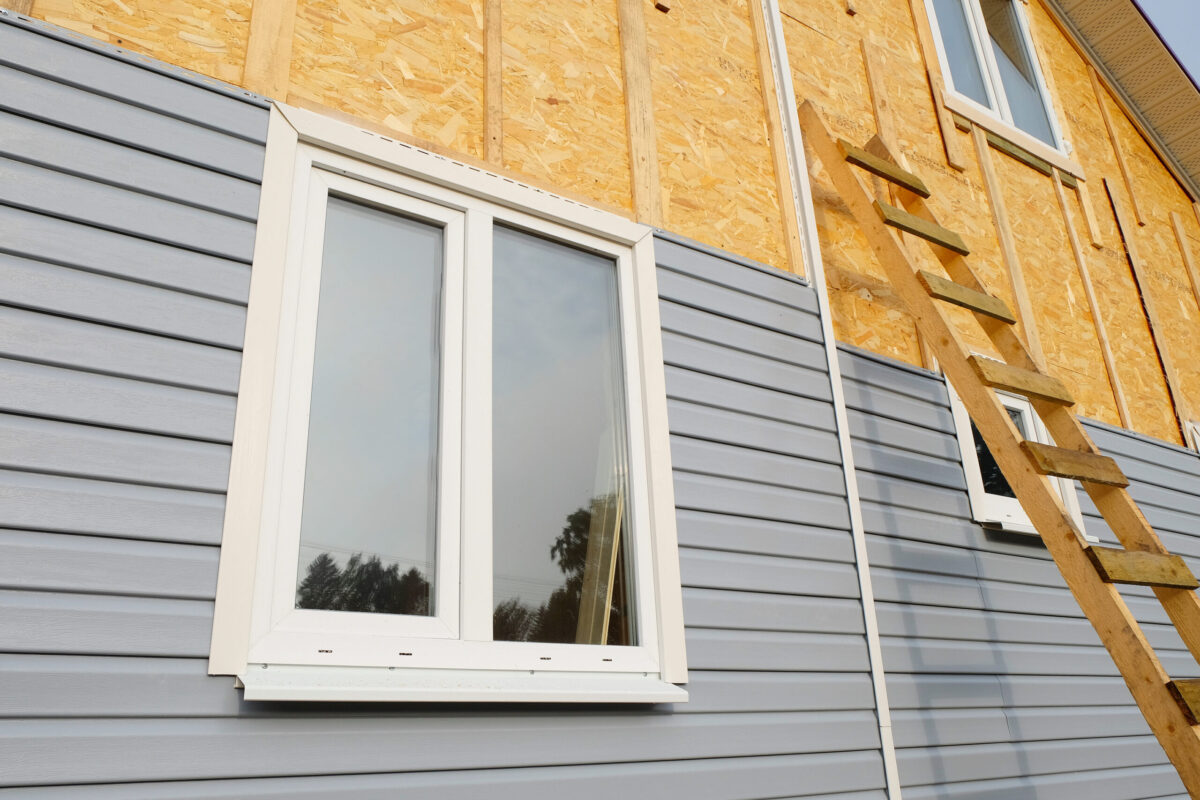
Siding issues may start small, but ignoring them often leads to bigger problems. Having a clear sense of costs helps homeowners plan, budget, and act quickly when repairs are needed.
- Protects your home’s structure: Damaged siding can let in water, pests, and mold, which are far more expensive to fix later.
- Helps with budgeting: Understanding cost ranges avoids financial surprises when issues come up.
- Supports smart decisions: Weighing repair versus replacement becomes easier when you know the price drivers.
- Adds resale confidence: Potential buyers appreciate homes with well-maintained exteriors.
Knowing what impacts cost is the first step toward controlling it.
🔎 7 Factors That Affect Siding Repair Cost in 2025
No two siding repair projects are alike. Here are the main reasons your neighbor’s repair bill might look very different from yours.
1. Material Type
The siding you have makes one of the biggest differences in repair cost.
- Vinyl: Typically most affordable to repair, thanks to wide availability and easier replacement.
- Fiber cement: More durable but pricier; requires skilled labor for a proper match.
- Wood: Repairs can be inexpensive for small fixes but costly if rot has spread.
- Engineered wood: Often less expensive than natural wood, but panel replacements may require ordering specialty products.
- Metal or stucco: Less common and more specialized, often driving labor costs higher.
2. Extent of Damage
Replacing one cracked panel is very different from addressing widespread water infiltration.
- Localized damage (one or two boards) is less expensive.
- Large areas of rot, mold, or storm damage drive up material and labor needs.
- Hidden issues behind siding can double or triple costs if framing or insulation is also affected.
3. Labor Rates in Your Area
Labor makes up a significant portion of siding repair costs. Rates vary depending on region, demand, and the complexity of the job.
- Urban areas often carry higher labor rates.
- Rural areas may have lower costs but fewer specialized contractors.
- In 2025, nationwide labor shortages in construction have pushed average rates up across many markets.
4. Accessibility of the Damage
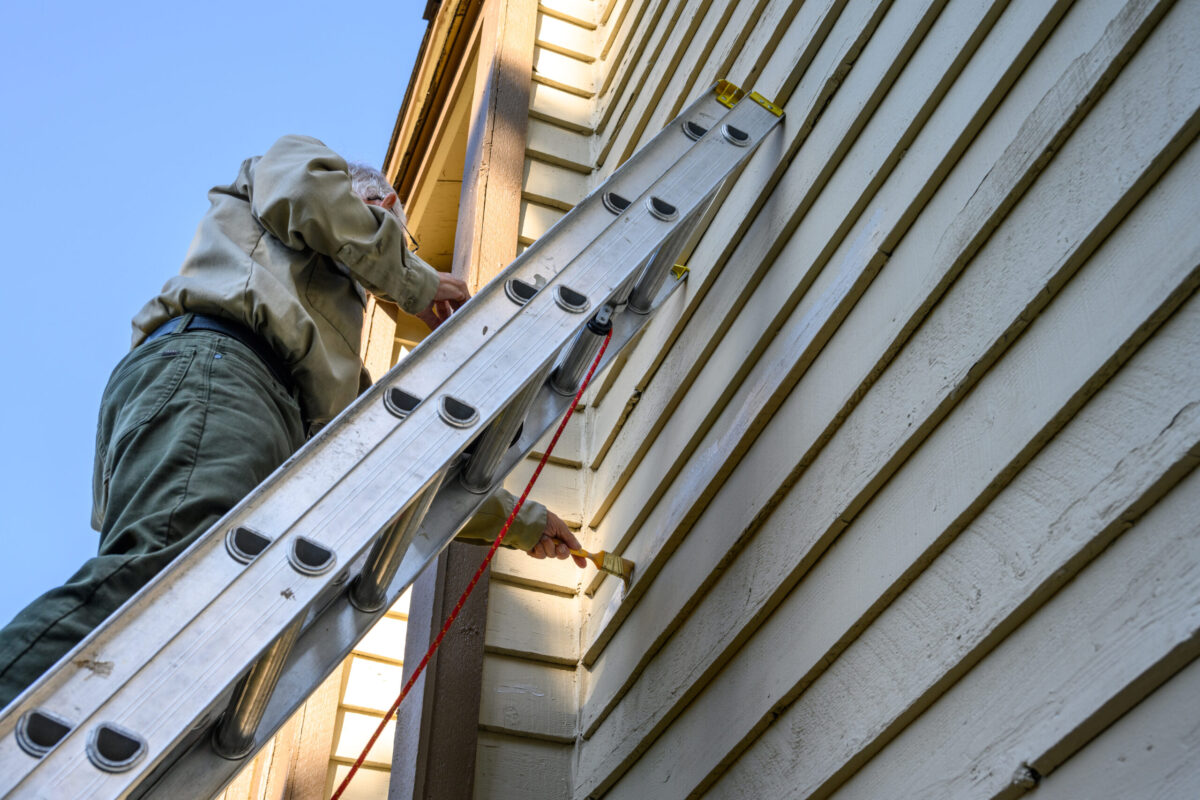
If repairs are in hard-to-reach places, costs rise.
- Multi-story homes require more equipment and safety measures.
- Repairs near rooflines or tight corners take longer to complete.
- Landscaping or obstacles can add setup time and increase overall price.
5. Matching Existing Siding
Finding the perfect match for older siding isn’t always easy. In some cases, discontinued products or faded colors require creative solutions.
- Ordering special materials increases lead time and cost.
- Color-matching may require repainting larger sections for consistency.
- Some homeowners use this as an opportunity to upgrade a full side of the home.
6. Weather and Timing
When you schedule your repair can also affect price.
- Emergency repairs after a storm often come at a premium.
- Seasonal demand (spring and summer) can push prices up due to higher workloads.
- Scheduling off-season may help secure better rates from contractors.
🏠 How Different Materials Affect Long-Term Cost
The type of siding on your home not only impacts repair price today but also influences future maintenance costs.
Vinyl Siding
- Pros: Affordable, widely available, low maintenance
- Cons: Can crack in extreme temperatures; limited lifespan compared to premium options
- Long-term value: Budget-friendly but may require more frequent small repairs
Fiber Cement
- Pros: Highly durable, fire-resistant, long lifespan
- Cons: More expensive labor and material costs
- Long-term value: Higher upfront repair costs but excellent longevity
Wood
- Pros: Natural beauty, traditional aesthetic
- Cons: Vulnerable to rot, pests, and moisture
- Long-term value: Can become costly if not maintained regularly
Engineered Wood
- Pros: More durable than natural wood, easier maintenance
- Cons: Still requires occasional sealing or painting
- Long-term value: Balances natural look with better resilience
By understanding how each material behaves, you can better plan for both immediate repair needs and future upkeep.
💡 Practical Tips for Budgeting Siding Repairs
Managing costs doesn’t just mean shopping for the lowest quote—it’s about making smart, proactive choices.
- Inspect regularly: Spotting small issues early prevents larger, more expensive problems.
- Get multiple quotes: Comparing bids helps you understand market pricing in your area.
- Ask about warranties: Some repairs may be covered, reducing long-term costs.
- Consider partial replacement: In cases of widespread damage, replacing one wall or section may be more cost-effective than piecemeal repairs.
- Plan for upgrades: If your siding is already near the end of its lifespan, investing in replacement could be smarter than repeated repairs.
Taking these steps can help you stay ahead of potential problems while keeping expenses predictable.
🔨 Repair vs. Replacement: Which Makes More Sense?
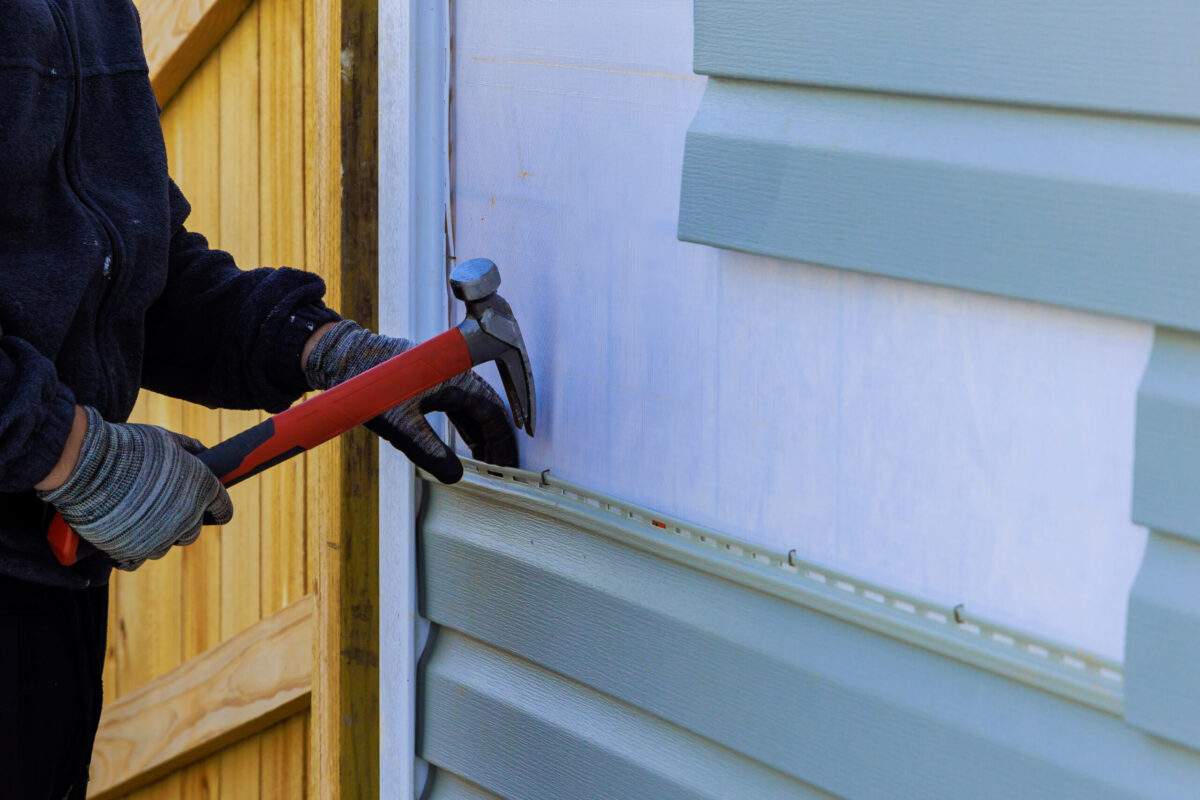
Sometimes the bigger decision is whether to repair or to replace siding entirely. Here’s a breakdown to help weigh the options.
| Factor | Repair | Replacement |
| Upfront cost | Lower | Higher |
| Best for | Small, localized damage | Widespread or recurring issues |
| Longevity | Short- to mid-term fix | Long-term protection |
| Resale value | Maintains current condition | Increases market appeal |
| Energy efficiency | Minimal change | Often significantly improved |
When Repair Works Best
- One or two panels are cracked or loose
- Damage is cosmetic and doesn’t affect structure
- Siding is relatively new and still in good condition
When Replacement Is Smarter
- Multiple areas of damage are visible
- Repairs would cost close to a full replacement
- You want to upgrade your home’s look and energy performance
Factoring both cost and value helps ensure you choose the right path for your home.
👨🔧 Plan Your Siding Repair for Peace of Mind
Siding repairs may feel like an unexpected expense, but understanding the costs and factors at play gives you control. By learning what drives pricing, evaluating your material’s strengths and weaknesses, and knowing when replacement may be smarter, you can protect both your home and your budget.
If you’ve noticed damage or want a professional opinion on the condition of your siding, don’t wait until small problems become bigger ones—contact us today to schedule an inspection and get a clear estimate for repair or replacement.