House Siding Options (7 Materials Ranked by Durability)
Choosing the right exterior for your home is one of the most important investments you can make. Not only does siding define the style of your property, but it also protects against weather, pests, and everyday wear. With so many house siding options available in 2025, it can feel overwhelming to know which material is best for your needs. By understanding durability, costs, and maintenance, you’ll be better prepared to make a decision that improves both beauty and performance. For homeowners ready to explore upgrades, you can review professional siding installation services to see which option works best for your home.
In this guide, you’ll learn:
- Why siding choice impacts long-term home value
- The most common siding materials ranked by durability
- Key maintenance insights to extend siding life
- Practical tips to help you choose the best option for your property
🏡 Why Siding Choice Matters More Than You Think
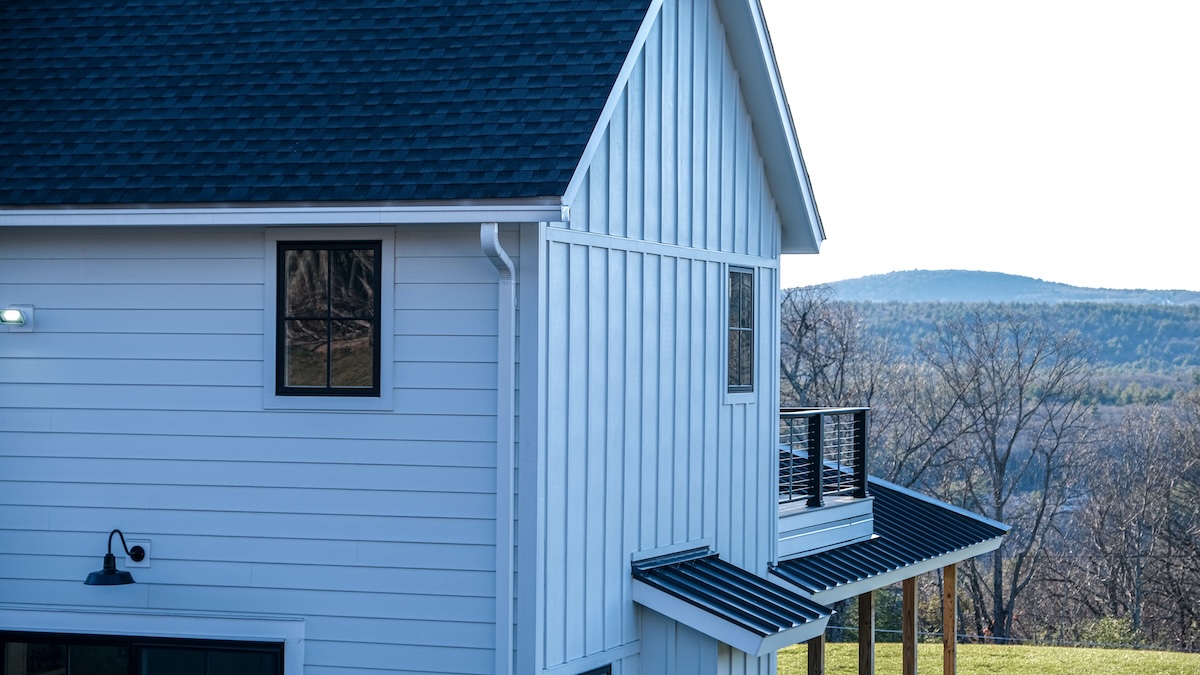
Your siding isn’t just about appearance—it plays a critical role in home protection and efficiency. Choosing the right option upfront saves money and stress in the long run.
- Boosts curb appeal: The siding material and color dramatically shape first impressions.
- Protects structural integrity: High-quality siding acts as a barrier against water, pests, and rot.
- Improves efficiency: Well-installed siding supports insulation, keeping energy costs manageable.
- Determines maintenance needs: Each material has different care requirements that affect long-term cost.
With these benefits in mind, let’s look at how today’s siding materials stack up in terms of durability.
🔎 7 House Siding Options Ranked by Durability
Here are the most popular siding materials, ranked from longest-lasting to shorter-term solutions.
1. Fiber Cement
Fiber cement is one of the strongest and most durable siding options available. Made from a mix of cement, sand, and cellulose fibers, it can last 50 years or more with proper care.
- Resistant to fire, moisture, and pests
- Holds paint well for lasting color
- Can mimic the look of wood or masonry
- Requires professional installation due to weight
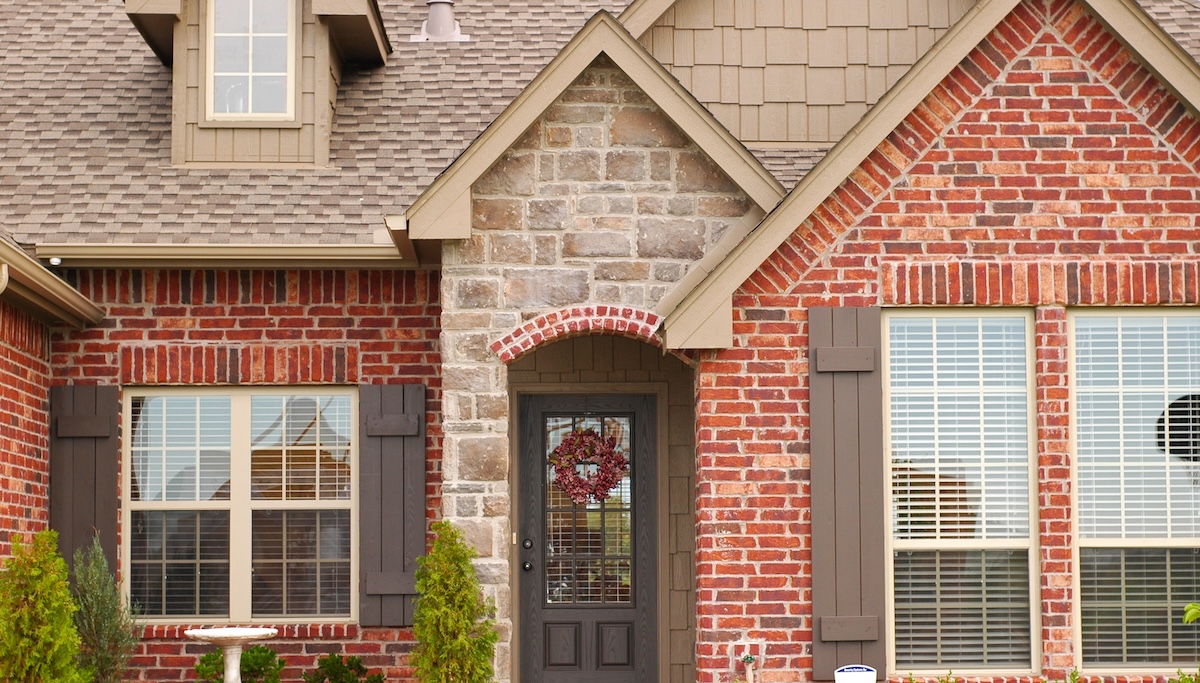
2. Brick Veneer
While full brick walls are rare in modern builds, brick veneer siding is a highly durable choice. Properly maintained, it can last 40–50 years.
- Extremely weather-resistant
- Low maintenance compared to wood
- Adds timeless curb appeal
- Higher upfront cost than many alternatives
3. Stone Veneer
Engineered stone veneer combines aesthetics with longevity. With proper installation, it can last 30–40 years.
- Mimics natural stone at a fraction of the cost
- Very low maintenance once installed
- Works well as an accent or full façade
- More expensive than vinyl or engineered wood
4. Engineered Wood
A modern alternative to natural wood, engineered wood siding is designed to resist rot, insects, and warping. Lifespan typically ranges from 25–30 years.
- Provides authentic wood grain look
- More affordable than fiber cement or stone
- Requires sealing or finishing for longevity
- Vulnerable if installation is poor
5. Stucco
Stucco has been used for centuries, especially in warmer climates. Properly applied, it lasts 20–30 years.
- Excellent insulator in dry, warm environments
- Versatile finish options available
- Prone to cracking in regions with heavy rainfall or freeze-thaw cycles
- Requires skilled application for durability
6. Vinyl
Vinyl siding remains one of the most popular options due to affordability and low maintenance. With care, it lasts 20–25 years.
- Budget-friendly compared to premium materials
- Easy to clean with soap and water
- Can crack or warp under extreme temperatures
- Limited lifespan compared to fiber cement or brick
7. Natural Wood
While beautiful and timeless, wood siding requires the most upkeep. Depending on climate and maintenance, it lasts 15–25 years.
- Offers unmatched charm and authenticity
- Wide range of species and finishes available
- Vulnerable to moisture, pests, and rot if neglected
- Needs regular sealing, painting, or staining
🧰 Maintenance Tips to Maximize Siding Lifespan
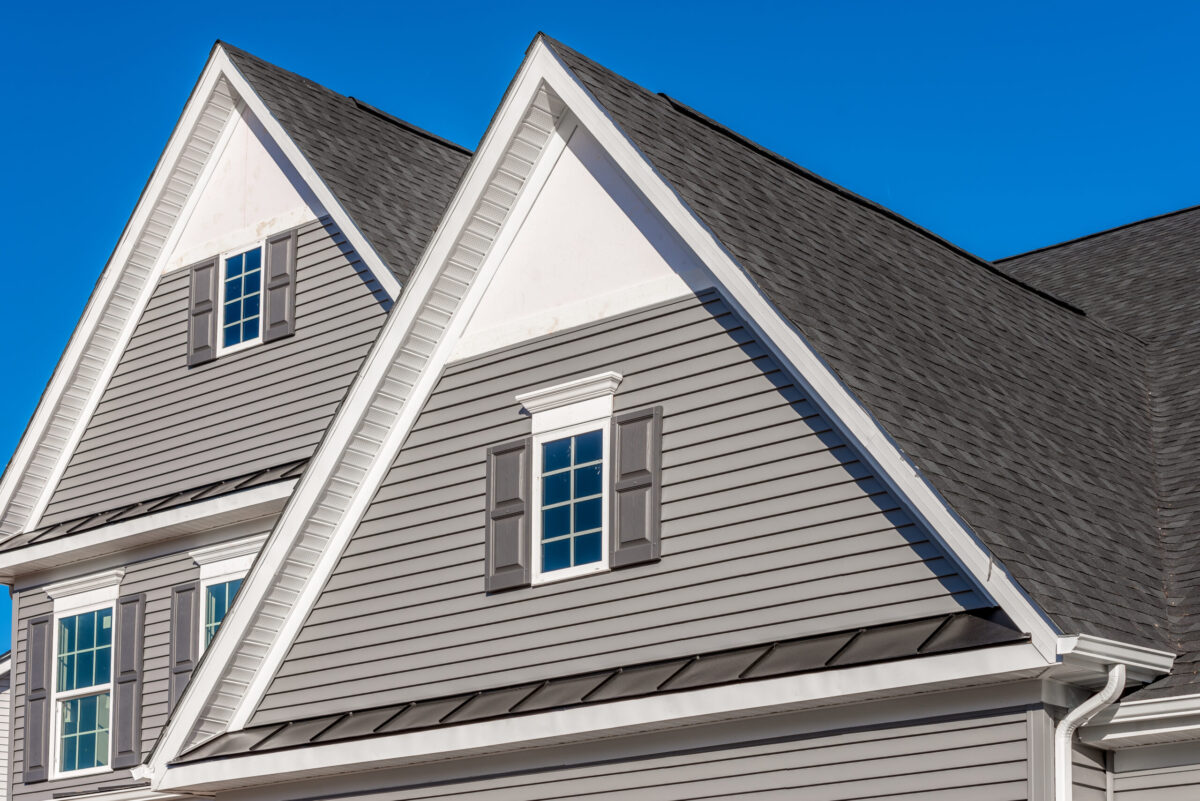
Even the most durable siding won’t last without proper care. Here’s how to extend the life of whichever option you choose.
Clean Regularly
- Rinse siding once or twice per year to remove dirt and mildew.
- Avoid high-pressure washing on softer materials like wood or vinyl.
Inspect Seasonally
- Look for cracks, warping, or loose panels after storms or winter.
- Check caulking and seals around windows and doors.
Address Repairs Quickly
- Small cracks can grow into major problems if ignored.
- Promptly replace broken panels or shingles to prevent water damage.
Manage Landscaping
- Keep trees, shrubs, and vines trimmed away from siding.
- Prevent moisture buildup by ensuring gutters and downspouts drain properly.
Consider Professional Maintenance
- Fiber cement and engineered wood may benefit from repainting every 10–15 years.
- Stucco and wood siding often require professional inspections for hidden issues.
Consistent upkeep helps any siding option reach its maximum potential lifespan.
⚖️ Cost vs. Durability: Finding the Right Balance
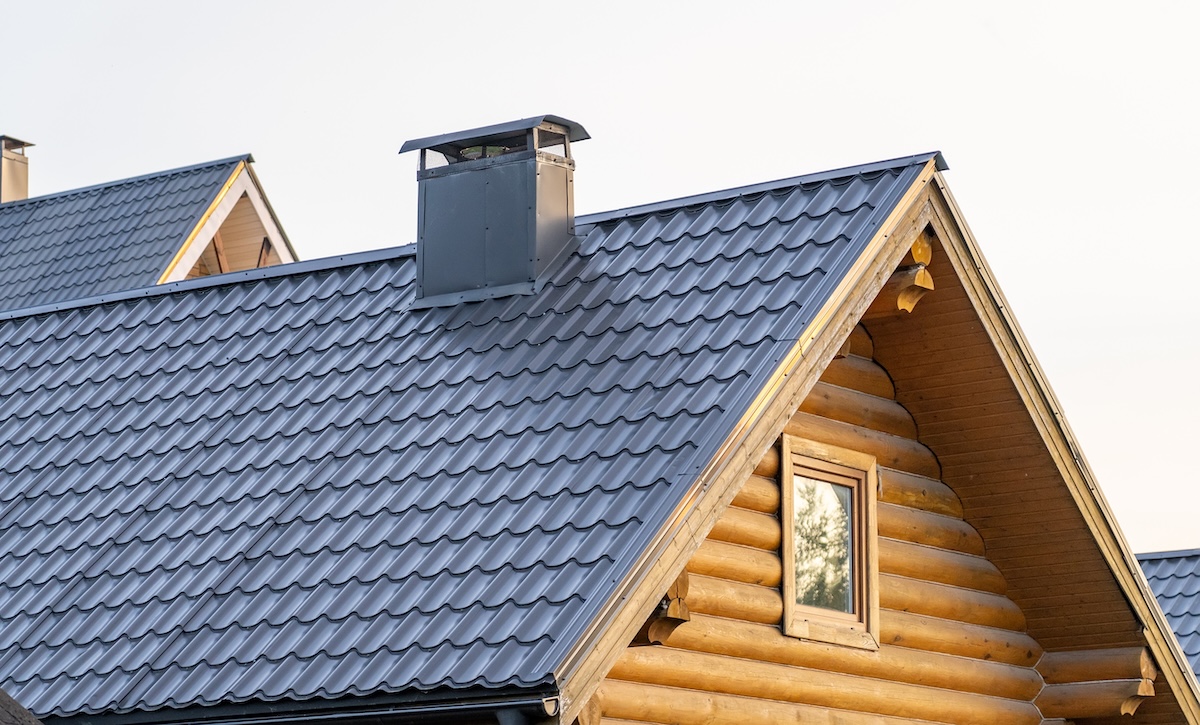
Budget often drives siding decisions, but it’s important to balance initial cost with long-term performance. Here’s a simplified comparison:
| Material | Average Lifespan | Typical Cost (per sq. ft.) | Maintenance Level |
| Fiber Cement | 50+ years | $6 – $12 | Low–Moderate |
| Brick Veneer | 40–50 years | $9 – $16 | Low |
| Stone Veneer | 30–40 years | $10 – $18 | Low |
| Engineered Wood | 25–30 years | $5 – $11 | Moderate |
| Stucco | 20–30 years | $7 – $14 | Moderate |
| Vinyl | 20–25 years | $3 – $8 | Low |
| Natural Wood | 15–25 years | $8 – $14 | High |
This table highlights how durability and budget interact. Spending more upfront often leads to lower lifetime costs through reduced maintenance and longer service life.
⬆️ Upgrade Your Home with the Best House Siding Options
The right siding can transform your home’s look, improve protection, and even boost resale value. By understanding how different materials perform in terms of durability, cost, and upkeep, you can make an informed decision that matches your lifestyle and budget. Whether you prefer the low maintenance of vinyl, the premium longevity of fiber cement, or the natural beauty of wood, there’s an option that fits your vision.
If you’re ready to explore siding choices and want expert advice tailored to your home, contact us today to schedule a consultation. Let’s find the perfect siding option to keep your home beautiful and protected for years to come.