
Siding Damage Repair (7 Signs & When to Take Action)
Your home’s exterior does more than create curb appeal—it acts as the first line of defense against the elements. That’s why siding damage is something no homeowner should ignore. From small cracks to large areas of deterioration, issues with siding can quickly compromise both appearance and protection. If left unattended, they often lead to costly repairs and even structural problems. By learning what to look for and when to act, you can keep your home in top condition. For those already considering an exterior upgrade, you may want to explore professional siding services to ensure your house gets the attention it deserves.
In this guide, you’ll learn:
- Why addressing siding damage promptly is so important
- The most common signs your siding needs repair or replacement
- Practical tips for prevention, maintenance, and upgrades
- When it’s time to call in a professional
🛡️ Why Siding Damage Should Never Be Ignored
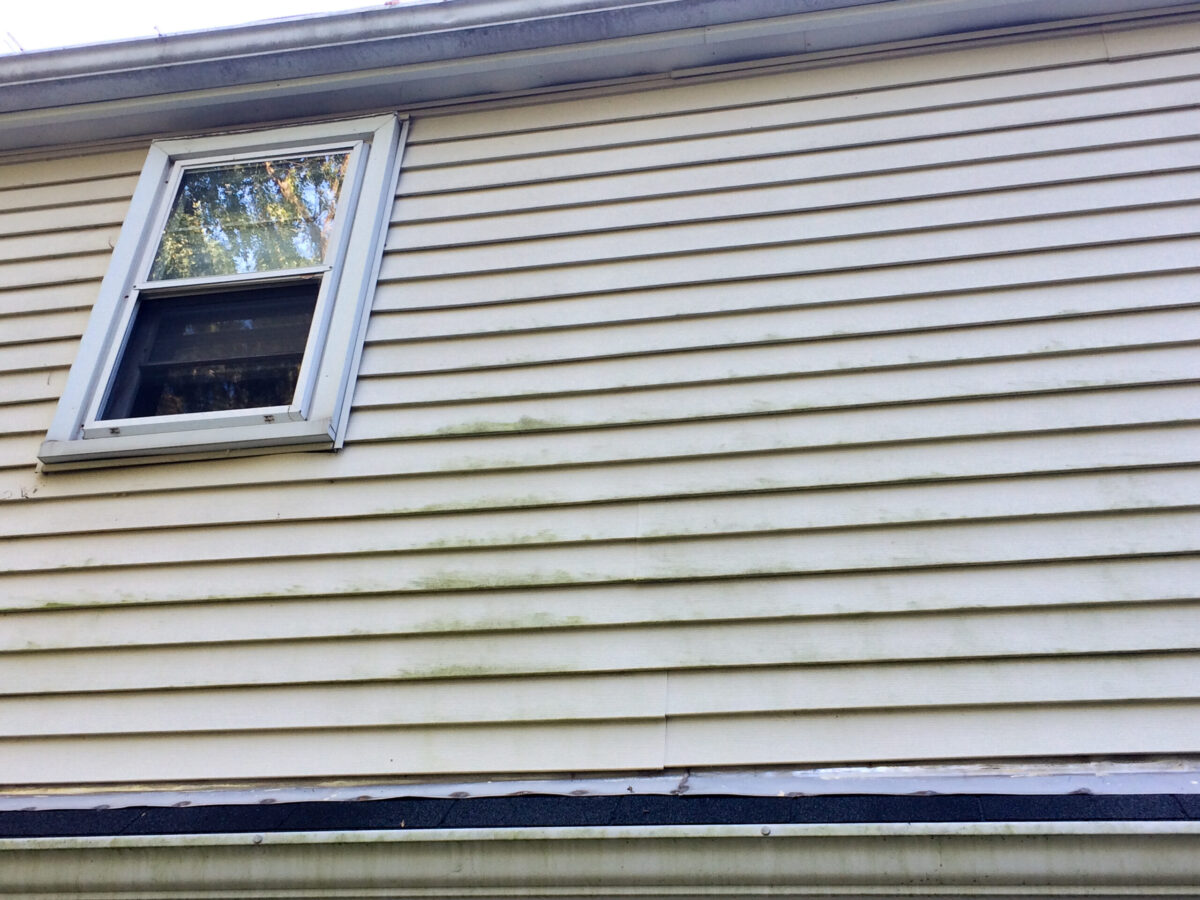
Siding isn’t just cosmetic—it’s functional. It shields your home from moisture, pests, and weather extremes while adding insulation and beauty. When siding starts to fail, the impact often reaches far beyond the exterior.
- Protects structural integrity: Cracked or warped panels allow water intrusion, which can rot framing and compromise walls.
- Maintains energy efficiency: Damaged siding makes it harder for insulation to work, leading to higher energy bills.
- Preserves curb appeal: Your home’s exterior is the first thing people notice, and worn siding quickly lowers visual value.
- Prevents costly repairs: Catching small issues early can save thousands in later restoration expenses.
By recognizing the warning signs and taking timely action, homeowners protect both their investment and peace of mind.
🔎 7 Signs of Siding Damage You Shouldn’t Overlook
Spotting trouble early is key. Here are the most common indicators that your siding needs attention.
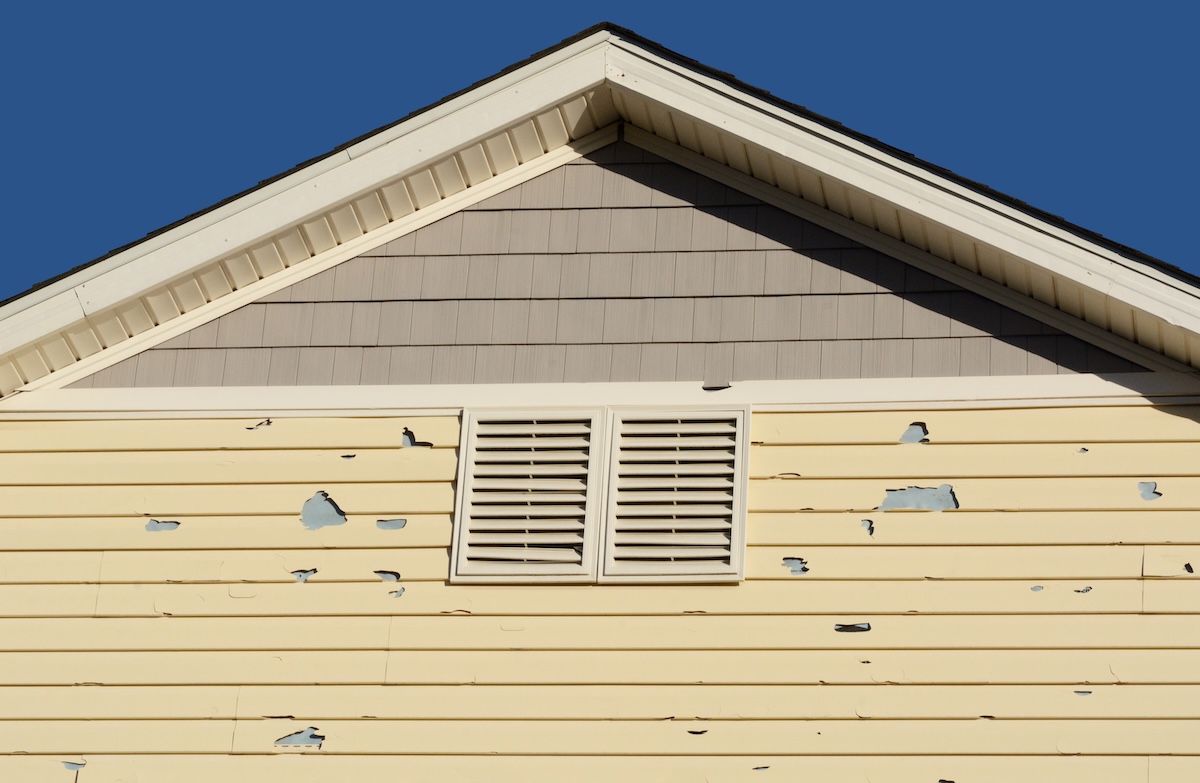
1. Cracks, Holes, or Peeling Paint
Visible cracks or punctures leave siding vulnerable to moisture and pests. Even small openings can expand over time, especially in areas with freeze-thaw cycles or heavy rainfall.
- Easy entry point for insects or rodents
- Potential for water infiltration
- Weakens the siding panel’s ability to protect
2. Warped Siding or Buckling
Siding that looks distorted or bulges outward may be suffering from heat damage, poor installation, or moisture trapped beneath the panels. Warped siding isn’t just unattractive—it often signals a bigger hidden problem.
- Can indicate rotting sheathing underneath
- May reduce insulation effectiveness
- Often spreads quickly if left unaddressed
3. Fading or Discoloration
All siding fades over time, but excessive or uneven discoloration can mean the protective coating is deteriorating. Once siding loses its finish, it becomes more susceptible to weather damage.
- Reduced UV resistance
- Makes siding look prematurely aged
- Can lead to brittleness and cracking
4. Loose or Missing Panels
Strong winds, storms, or improper installation may leave gaps in your siding. Missing panels expose your home’s underlayment to the elements, inviting water damage and pests.
- Increases chance of leaks
- Compromises weather protection
- Quickly diminishes curb appeal
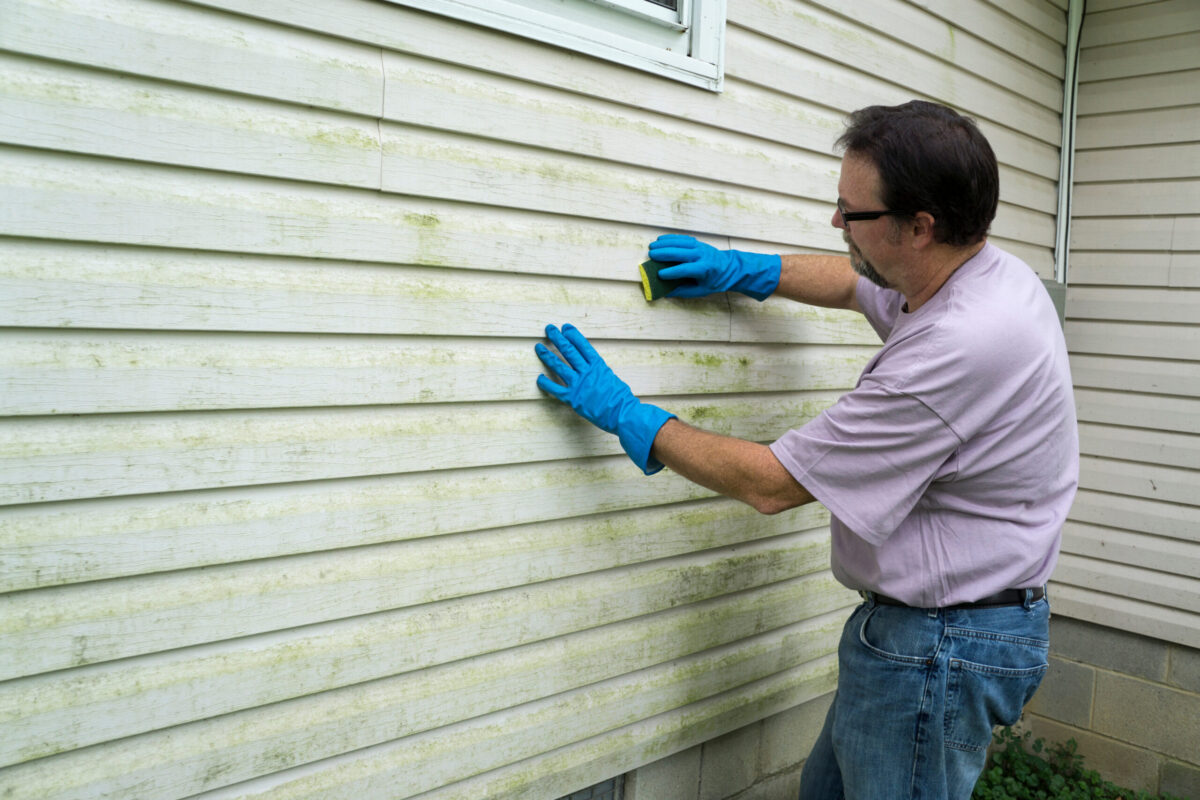
5. Mold, Mildew, or Fungus Growth
Dark streaks or green patches often mean moisture is seeping behind the siding. Left untreated, mold and mildew can spread into walls, causing health risks and structural issues.
- Indicates poor drainage or ventilation
- Signals underlying water damage
- Requires professional evaluation
6. Rising Energy Bills
If you’ve noticed unexplained increases in heating or cooling costs, damaged siding may be part of the problem. Gaps, cracks, or poor insulation can allow air leaks that strain your HVAC system.
- Reduces indoor comfort
- Increases monthly utility costs
- Can worsen over time if ignored
7. Interior Signs of Damage
Sometimes siding issues show up inside your home before they’re obvious outside. Stains on walls, peeling paint, or bubbling wallpaper often point to hidden moisture infiltration.
- Signals water has already entered the wall cavity
- May indicate rot or mold growth
- Urgent reason to investigate exterior condition
🧰 Practical Tips for Preventing Siding Damage
Knowing how to spot problems is one thing, but preventing them is even better. Here are some simple steps homeowners can take to extend the life of their siding.
- Regular Inspections: Walk around your property at least twice a year—spring and fall are ideal times. Look closely for cracks, warping, or loose panels, and check shaded areas for mold or mildew.
- Proper Cleaning: Rinse siding once or twice annually with a garden hose or low-pressure washer. Avoid harsh chemicals, but consider gentle cleaners designed for exterior siding to prevent buildup of dirt, pollen, and mildew.
- Landscaping Maintenance: Overgrown shrubs, trees, or vines can trap moisture against siding and cause damage. Trim plants back so they don’t touch the walls of your home.
- Gutter and Drainage Care: Clogged gutters overflow and direct water onto siding, increasing the chance of rot and mold. Keep gutters clear and ensure downspouts move water away from your foundation.
- Address Repairs Quickly: Don’t wait until a small issue becomes a major repair. Even one cracked panel can cause bigger problems over time. Replace damaged sections or call a professional as soon as you spot trouble.
💡 Comparing Repair vs. Replacement
When facing siding issues, the big question is whether to repair or replace. The right choice depends on the extent of the damage, the age of your siding, and your long-term goals.
| Factor | Repair | Replacement |
| Cost | Lower upfront | Higher upfront, but long-term savings |
| Extent of Damage | Best for isolated issues | Necessary for widespread or severe damage |
| Curb Appeal | Maintains current look | Opportunity for full design refresh |
| Longevity | Temporary fix if siding is aging | Long-lasting protection and improved efficiency |
| Value | Limited impact on resale | Boosts home value significantly |
When Repair Makes Sense
- Damage is limited to one or two areas
- Siding is relatively new and still in good condition
- You need a short-term fix before a larger project
When Replacement Is Better
- Multiple areas show warping, mold, or cracks
- Siding is nearing the end of its lifespan
- You want a fresh look and higher energy efficiency
Understanding these distinctions helps you make a confident decision that balances cost and long-term protection.
🌟 When to Call a Professional
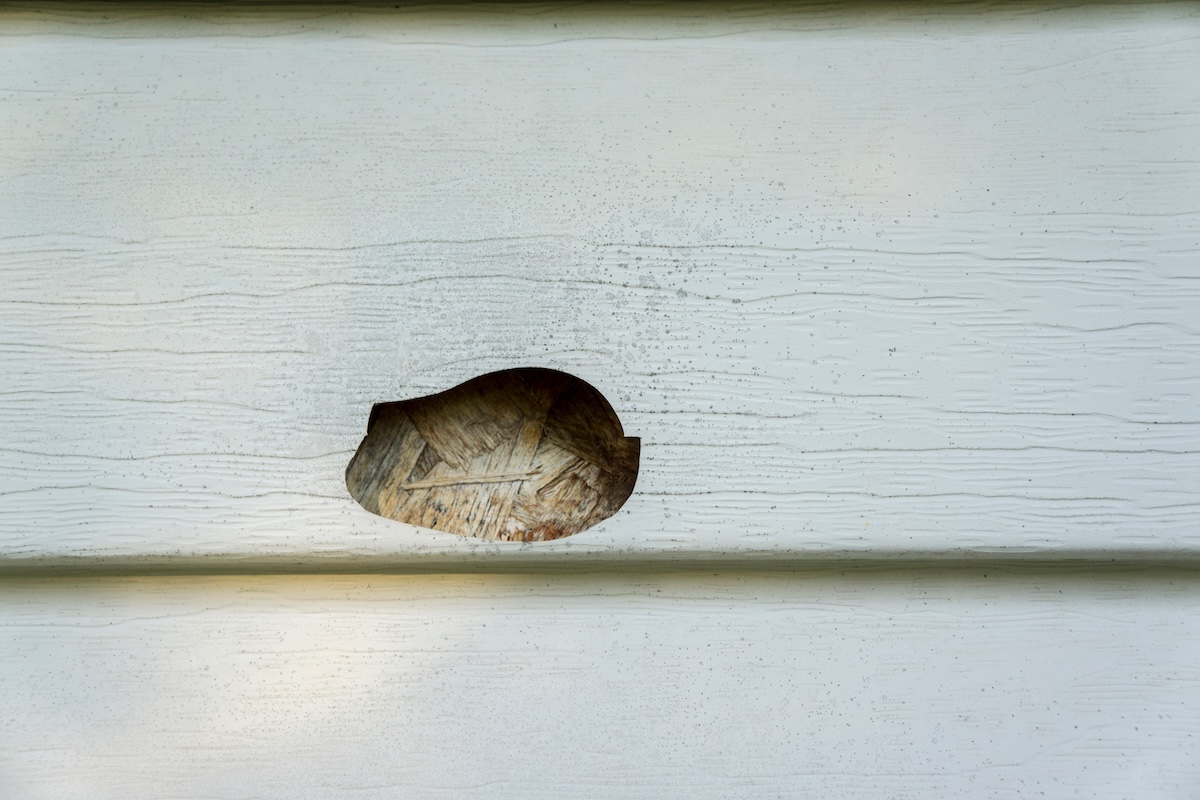
While some minor maintenance can be DIY-friendly, siding repair is often best left to professionals. They bring experience, tools, and knowledge to spot hidden problems the average homeowner may overlook.
- Extensive cracks or rot: Professionals can determine how far damage has spread.
- Mold or mildew growth: Requires proper safety measures and thorough remediation.
- Persistent energy loss: Experts can assess insulation and recommend solutions.
- Storm damage: Insurance claims often need professional documentation.
Benefits of Professional Help
- Accurate diagnosis of underlying issues
- Access to higher-quality materials and finishes
- Workmanship warranties for added peace of mind
- Safer and more efficient repairs
When in doubt, it’s always worth consulting a pro before attempting large-scale siding fixes on your own.
🏠 Protect Your Home Before Damage Spreads
Your siding plays a vital role in keeping your home safe, beautiful, and efficient. Ignoring early warning signs can lead to escalating problems—from mold growth to skyrocketing utility bills. By learning how to identify siding damage, knowing when to repair versus replace, and taking preventive steps, you can keep your home in excellent shape year-round.
If you’ve noticed any signs of trouble, don’t wait for the issue to worsen—contact us today to schedule an inspection and learn more about the best repair or replacement options for your home.