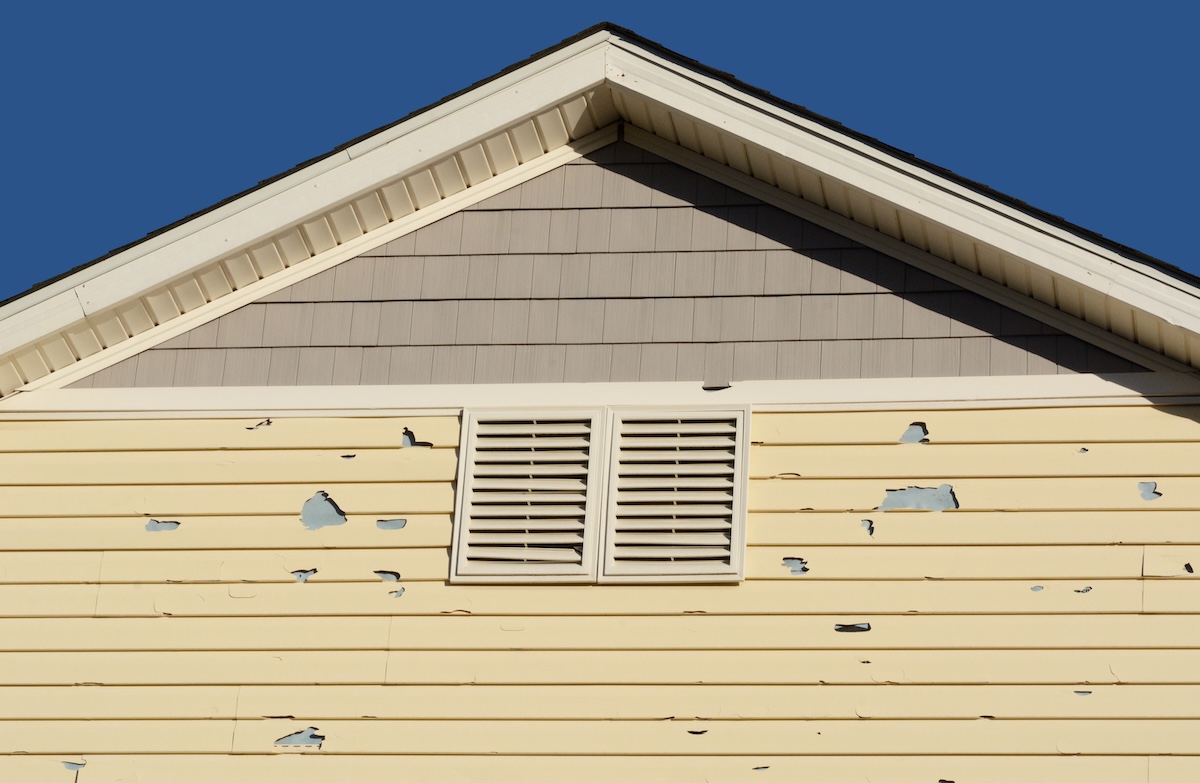
7 Signs Of Hail Damage To Siding & How To Repair
Severe weather can wreak havoc on your home’s exterior, and hail damage to siding is one of the most common issues homeowners face after storms. Whether you’ve recently experienced a hailstorm or suspect your siding has been compromised over time, recognizing the warning signs and understanding your repair options is crucial for protecting your home’s structural integrity and value.
This comprehensive guide will help you identify hail damage to siding, understand the repair process, and learn when to call professional contractors. Here’s what we’ll cover:
- Understanding hail damage to different siding materials
- 7 key signs of hail damage to siding
- Professional inspection and assessment
- Repair methods for hail-damaged siding
🤔 Understanding Hail Damage to Different Siding Materials
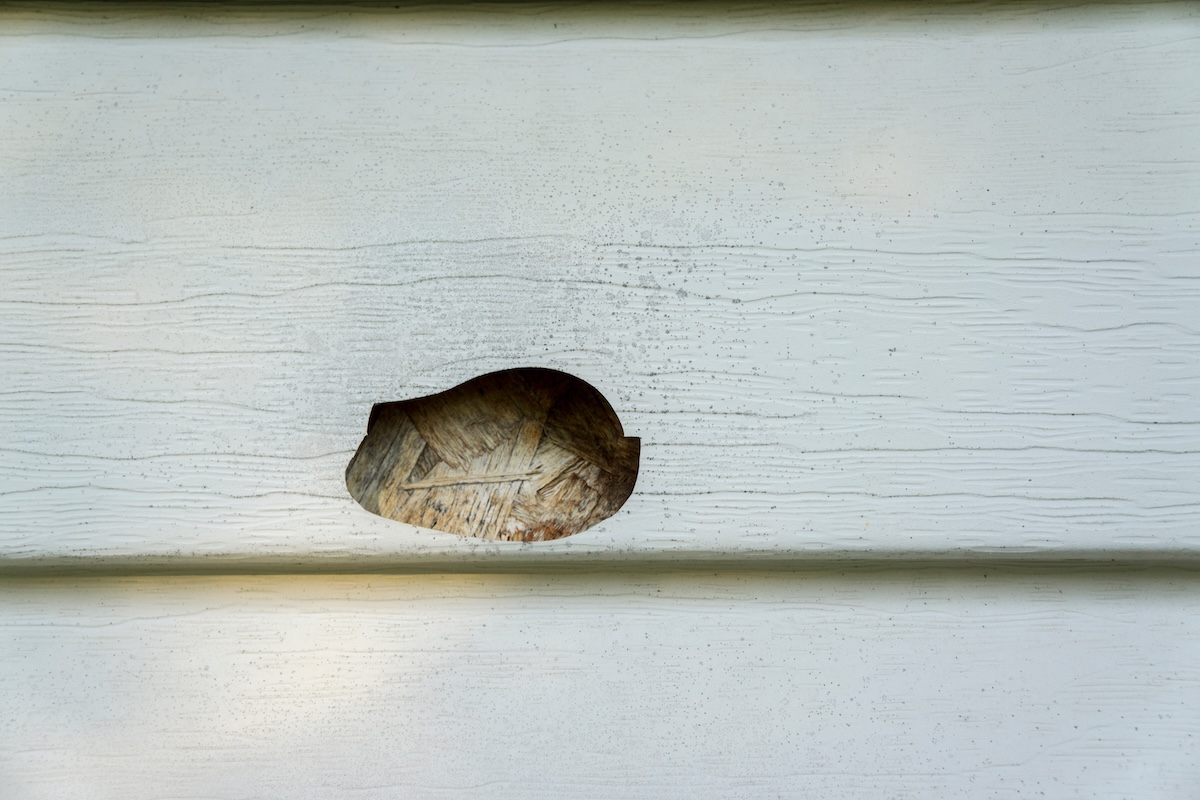
Hail affects various siding materials differently, and understanding these distinctions helps you assess the severity of damage to your home. Each type of siding has unique vulnerabilities and shows damage in specific ways.
- Vinyl Siding: Susceptible to circular dents, cracks, or detachment from hail impact. Cold weather increases brittleness, while heat can cause deeper dents.
- Fiber Cement Siding: Durable but prone to chipping, cracking, or gouging from large hailstones. Texture may hide damage, so inspections are crucial after storms.
- Engineered Wood Siding: Vulnerable to dents, splits, and punctures, which can lead to moisture infiltration if not sealed properly. Immediate attention is required to prevent decay.
⭐️ 7 Key Signs of Hail Damage to Siding
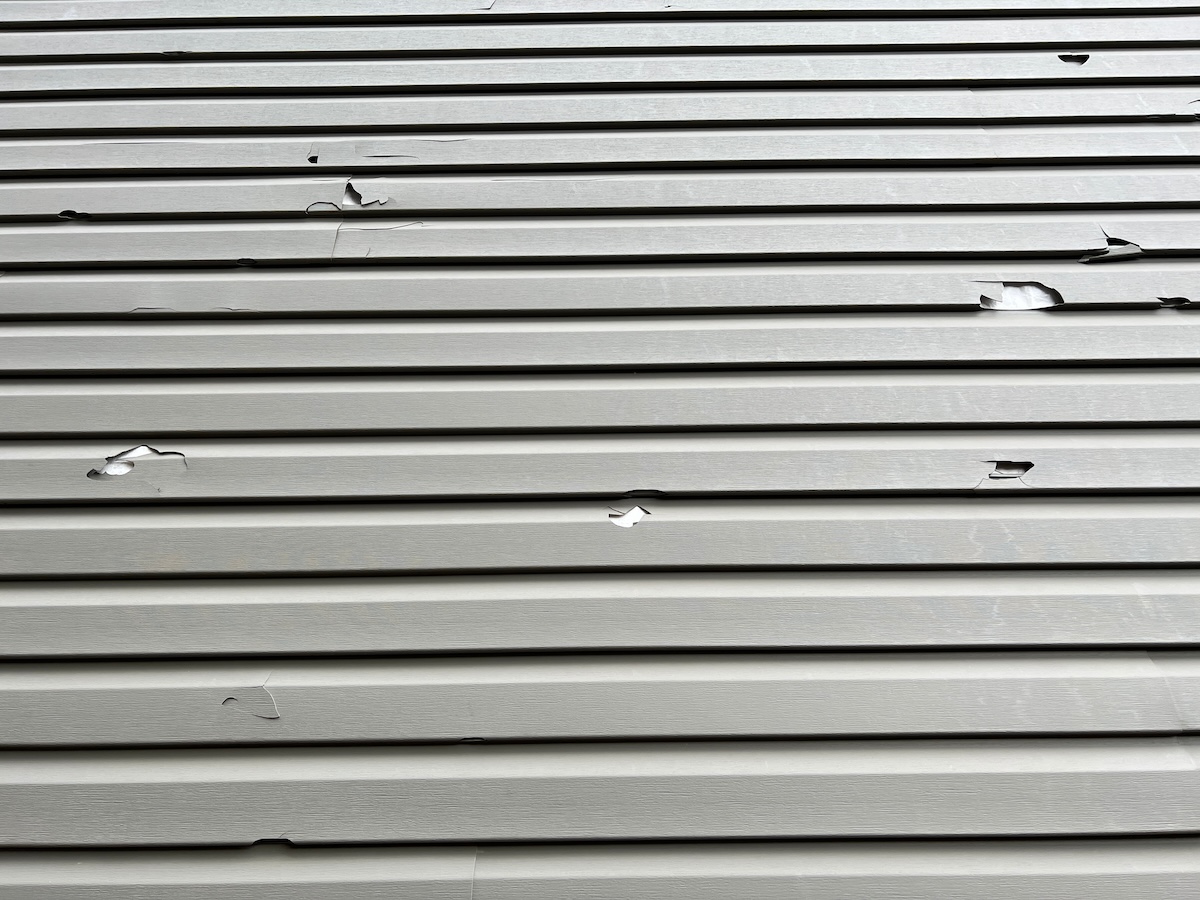
Identifying hail damage to siding requires careful inspection and attention to both obvious and subtle indicators. Here are the most important signs to look for when assessing your home’s exterior:
1. Visible Dents and Dings
The most apparent sign of hail damage is circular or irregular dents in your siding panels. These impacts typically appear as round depressions where hailstones struck the surface. On vinyl siding, dents may be shallow or deep depending on the hail size and impact velocity.
Check your siding from multiple angles and lighting conditions, as some dents become more visible when light hits the surface at certain angles. Use your hands to feel along the siding surface, as tactile inspection often reveals damage that’s difficult to see visually.
2. Cracks and Splits
Hail impacts can cause linear cracks or splits in siding materials, particularly in fiber cement and engineered wood products. These openings create pathways for water infiltration and can expand over time if left unrepaired.
Look for hairline cracks that may appear minor but indicate structural compromise. Even small cracks can lead to significant problems during freeze-thaw cycles or periods of heavy moisture.
3. Missing or Damaged Pieces
Severe hail damage can knock siding panels loose, break off sections, or create holes that expose the underlying structure. Check for missing pieces around your home’s perimeter, paying special attention to corners, edges, and areas where siding meets trim.
Inspect the ground around your home for siding fragments or pieces that may have been dislodged during the storm. These physical pieces provide clear evidence of damage and help determine the extent of replacement needed.
4. Paint Damage and Exposed Substrate
Hail impacts often chip or scrape paint from siding surfaces, exposing the underlying material to weather elements. On fiber cement siding, paint chips reveal the gray substrate underneath, while vinyl siding may show white or colored base material.
Paint damage isn’t just cosmetic—it eliminates the protective barrier that prevents moisture infiltration and UV degradation. Address paint damage promptly to maintain your siding’s long-term performance.
5. Loose or Displaced Panels
Check for siding panels that appear loose, misaligned, or separated from their mounting points. Hail impacts can damage the fastening system or cause panels to warp, creating gaps that allow water and air infiltration.
Run your hands along panel edges and joints to detect movement or separation. Properly installed siding should feel secure and maintain consistent alignment across the entire surface.
6. Impact Marks on Gutters and Trim
Don’t limit your inspection to siding panels alone. Check gutters, downspouts, trim boards, and other exterior components for hail damage. These areas often show impact marks that indicate the severity and direction of the hailstorm.
Damaged gutters may have dents, dings, or separated joints, while trim boards might show gouges or splits. These secondary indicators help paint a complete picture of the storm’s impact on your home.
7. Granule Loss on Adjacent Roofing
While not directly related to siding, check your roof and gutters for excessive granule loss from asphalt shingles. This indicates significant hail activity that likely affected your siding as well, even if the damage isn’t immediately apparent.
🔎 Professional Inspection and Assessment
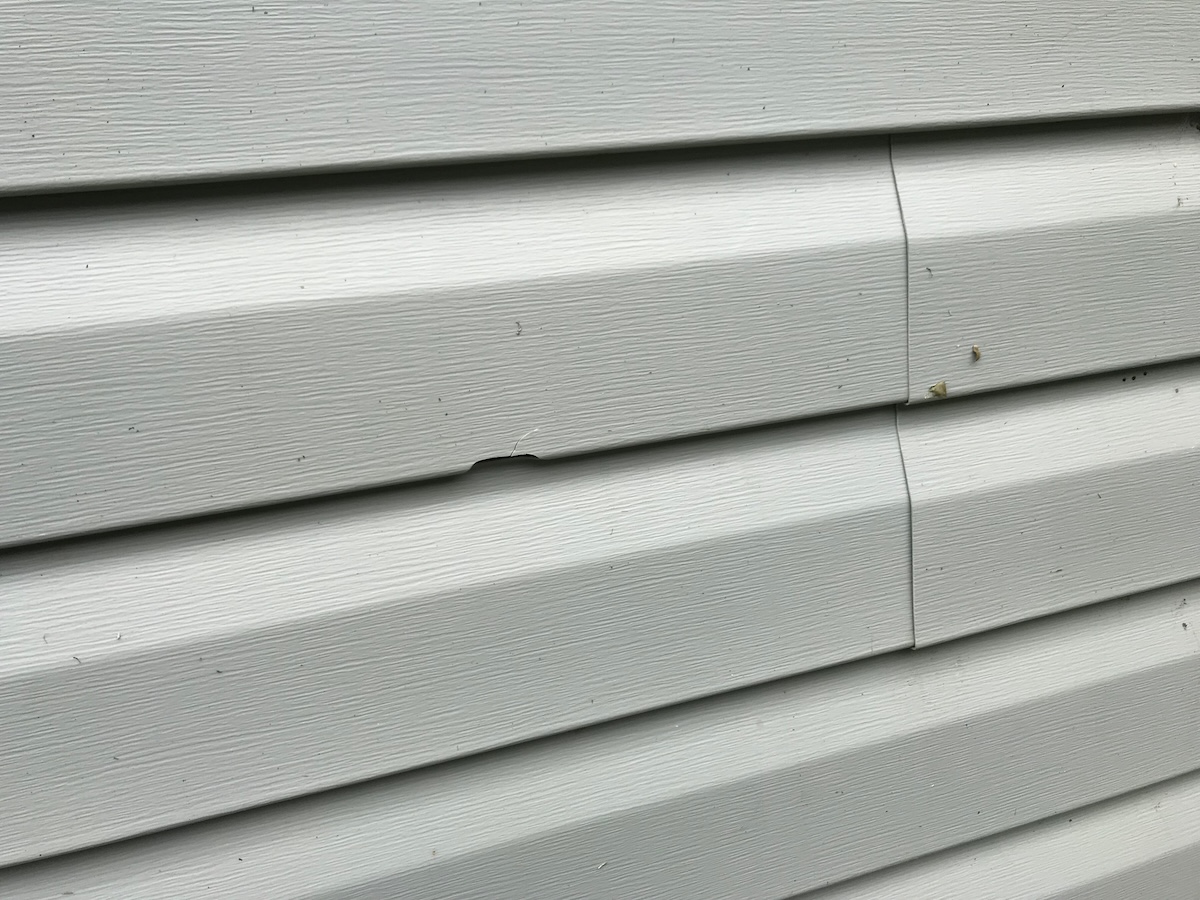
After identifying potential hail damage to siding, professional inspection provides the thorough evaluation needed for insurance claims and repair planning. Experienced contractors have the knowledge and tools to detect damage that homeowners might miss during initial assessments.
When to Call Professionals
Contact siding professionals immediately if you notice any signs of hail damage, even if they appear minor. Early intervention prevents small problems from becoming major issues that require extensive repairs or full replacement.
Professional inspectors use specialized equipment and techniques to evaluate damage severity, document findings for insurance purposes, and recommend appropriate repair strategies. Their expertise ensures nothing gets overlooked during the assessment process.
Documentation and Insurance Claims
Proper documentation is crucial for successful insurance claims related to hail damage to siding. Take detailed photographs of all damage from multiple angles, including close-up shots that clearly show the extent of impacts.
Professional contractors can provide detailed reports and estimates that support your insurance claim. Their documentation includes technical specifications, material requirements, and labor costs that help insurance adjusters understand the full scope of necessary repairs.
🛠️ Repair Methods for Hail-Damaged Siding
The appropriate repair method for hail damage to siding depends on the material type, damage severity, and extent of affected areas. Here are the primary approaches contractors use to restore your home’s exterior protection:
Spot Repairs and Panel Replacement
Minor hail damage often requires replacing individual panels or sections rather than entire walls. This approach works well when damage is localized and matching materials are available.
Contractors carefully remove damaged panels and install new ones that match the existing siding’s color, texture, and profile. Proper installation ensures seamless integration with undamaged sections while maintaining the siding system’s overall integrity.
Full Section Replacement
When hail damage affects large areas or multiple panels in a section, replacing entire wall sections may be more cost-effective than individual panel repairs. This approach ensures a consistent appearance and eliminates potential issues with mismatched materials or fading.
Section replacement also allows contractors to inspect and address any underlying damage to house wrap, insulation, or structural components that may have occurred during the storm.
Complete Siding System Replacement
Severe hail damage sometimes necessitates complete siding replacement, particularly when the existing system is older or when insurance coverage makes full replacement financially advantageous.
Full replacement provides an opportunity to upgrade to more durable materials, improve energy efficiency, and enhance your home’s appearance. Modern siding systems offer better weather resistance and longer warranties than older products.
👨🔧 Why Choose Perfect Siding for Your Hail Damage Repairs
Hail damage to your siding can be stressful, but with Perfect Siding, you can rest easy knowing your home is in expert hands. With years of experience, unmatched knowledge of all major siding materials, and a proven track record of working directly with insurance companies, our team is the one you can trust to restore your home’s protection and curb appeal. We stand behind our work with comprehensive warranties, so you can feel confident that your investment is secure for years to come.
Don’t let hail damage compromise your home’s integrity—contact Perfect Siding today for a free consultation and estimate. Let us handle the hard work while you enjoy the peace of mind that comes from working with the Northwest’s most trusted siding experts!