
Asbestos Siding: What It Is & When to Replace It
For decades, asbestos siding was praised for being fireproof, durable, and affordable. Many homes built before the 1980s still carry this material today, but what was once seen as an innovation is now regarded as a potential hazard. Homeowners with asbestos siding face important decisions: Is it safe to leave in place, or is replacement the wiser move? If you’re considering an exterior update, it may be time to look into modern siding installation and learn what today’s safer alternatives can offer.
In this guide, you’ll discover:
- How asbestos siding was made and why it became popular
- The health and practical concerns homeowners should know
- Clear signs it may be time to consider replacement
- Safer, modern siding options worth exploring
👨🔧 A Look Back: Why Builders Chose Asbestos Siding
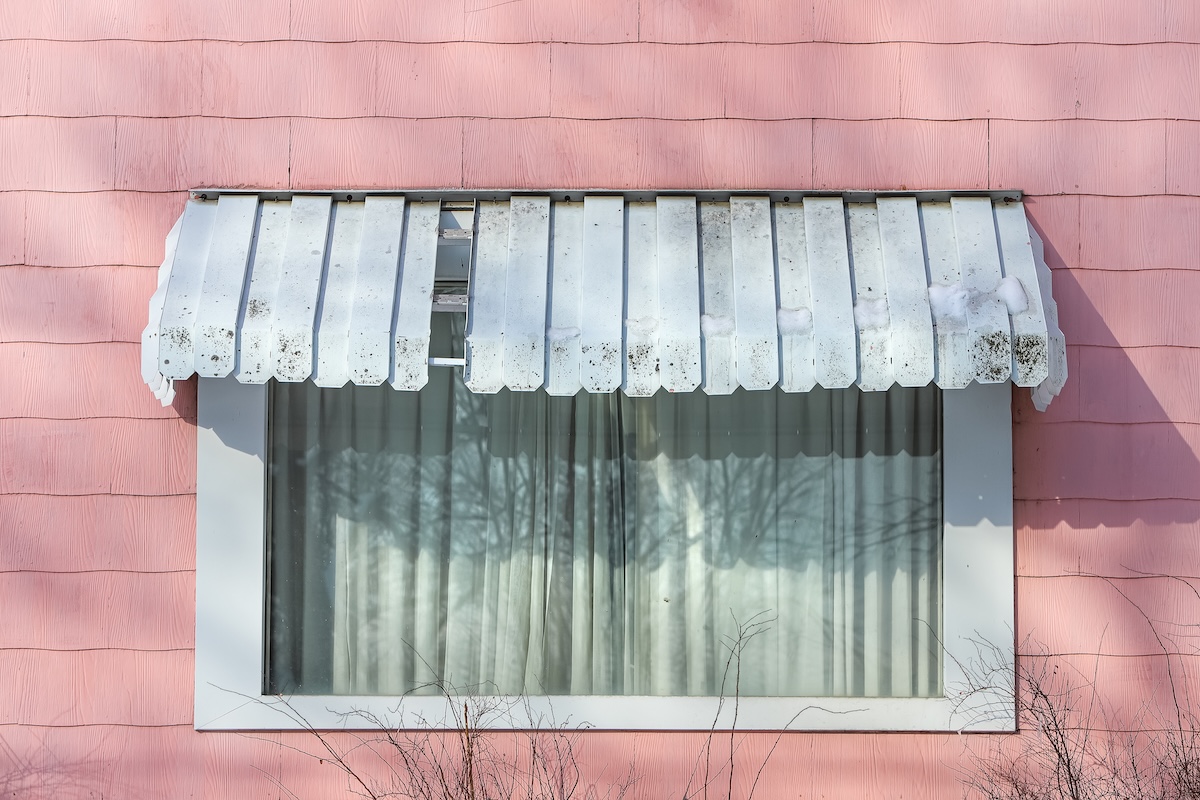
Understanding the history of asbestos siding explains why it’s still found on so many homes. While it’s not installed today, its legacy continues to affect homeowners.
- Long-lasting protection: Asbestos mixed with cement produced shingles that resisted fire, pests, and rot.
- Minimal upkeep: Homeowners once appreciated that it didn’t need constant repainting or repairs.
- Affordable production: It was cheap to manufacture and quickly spread during housing booms.
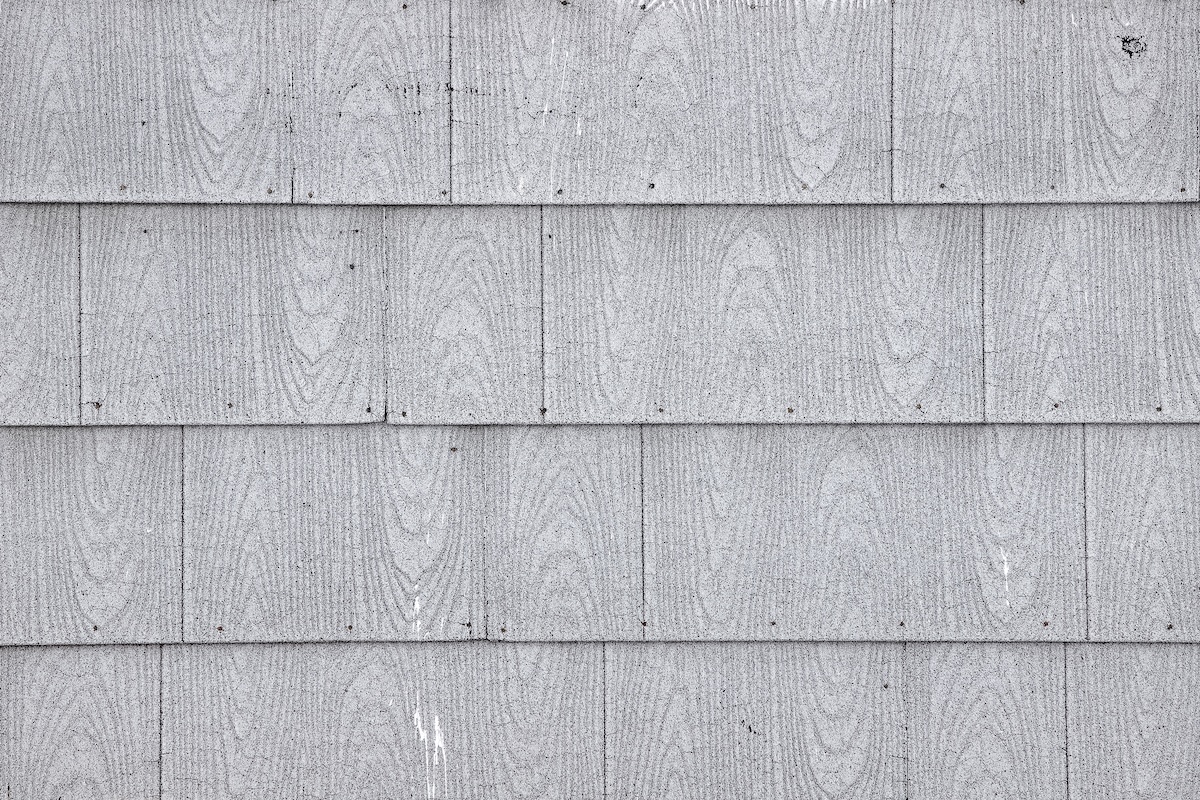
- Architectural variety: Shingles were pressed into styles that mimicked wood grain and other finishes.
At the time, it seemed like the perfect material. The risks weren’t widely understood until years later.
🔍 6 Things Every Homeowner Should Know
When evaluating asbestos siding, there are a few essential facts that help determine whether it should be left alone or replaced.
-
What It’s Made Of: Asbestos siding was produced by mixing asbestos fibers with Portland cement. The shingles that resulted were strong, weather-resistant, and often textured to look like traditional wood.
-
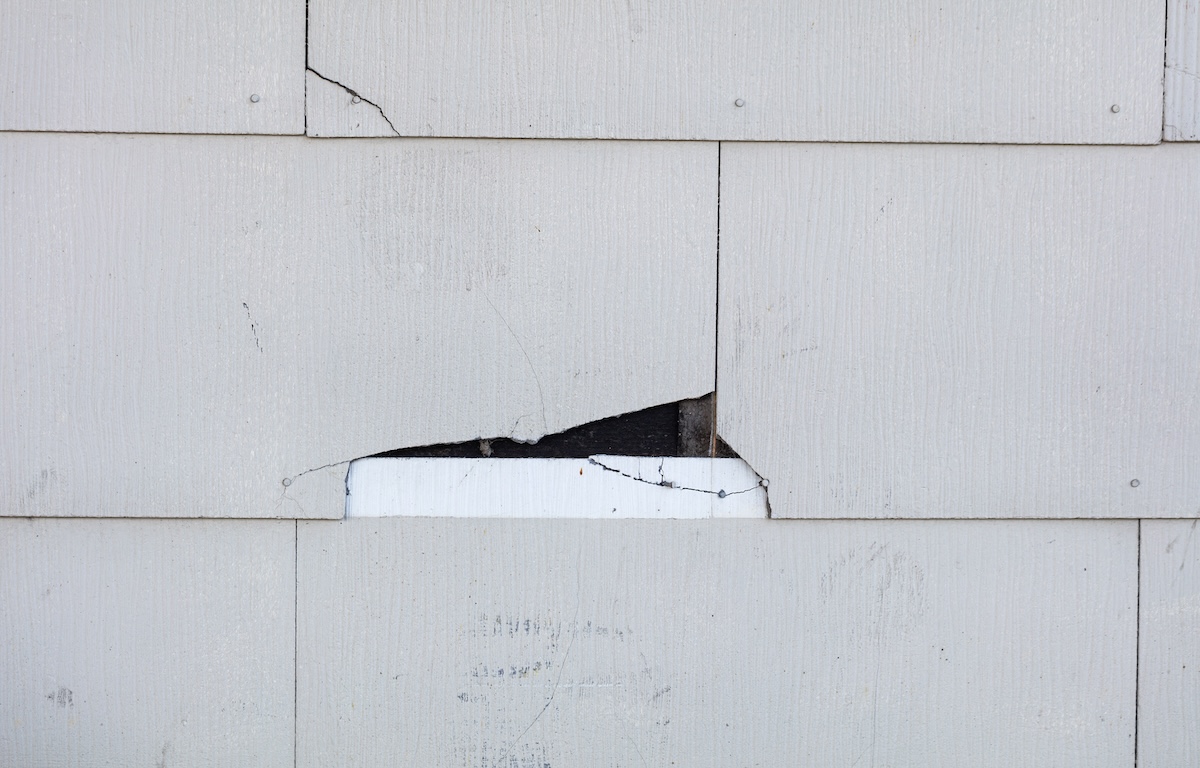
The Hidden Risks: The siding is relatively safe if it remains intact. The problem comes when it cracks or crumbles, releasing asbestos fibers into the air. Inhalation of these fibers has been linked to severe respiratory illnesses.
-
Why It’s Still Around: Because it was so durable, many homes built in the mid-20th century still carry asbestos shingles today. They can last decades, which is why homeowners often encounter them during renovations.
-
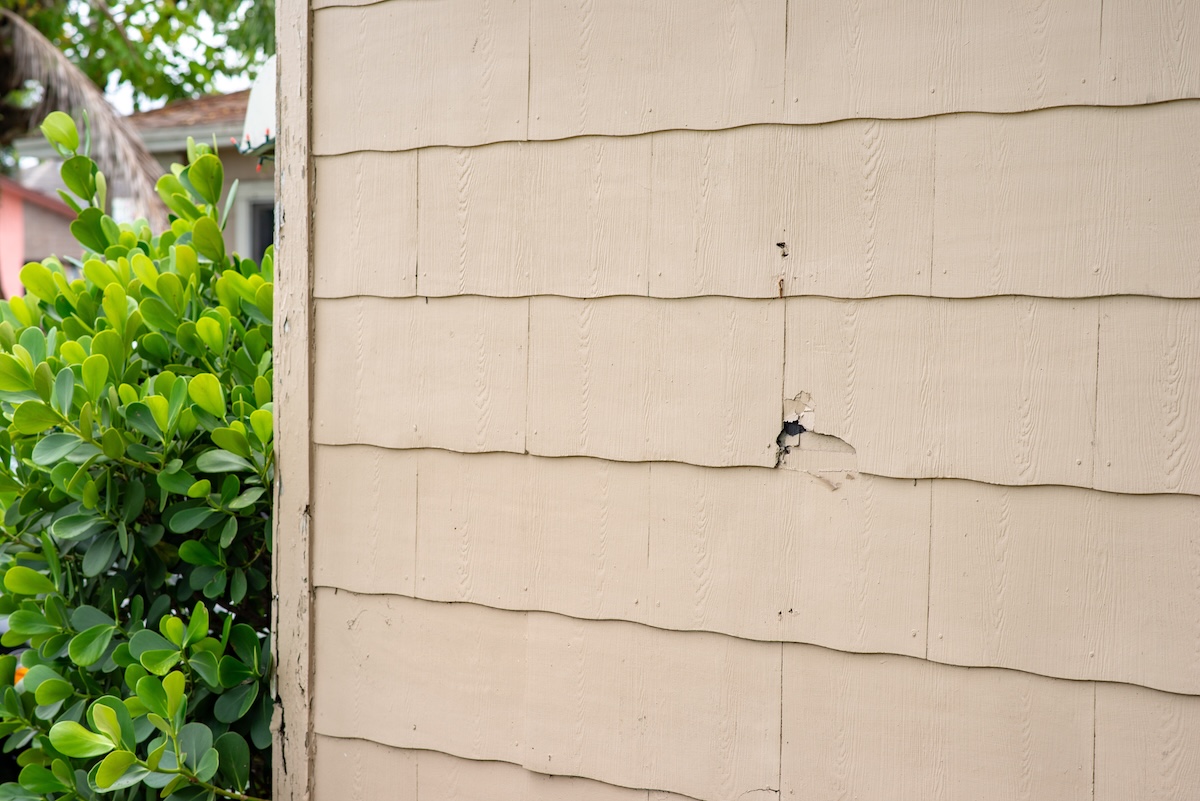
Signs of Trouble: Look for cracked panels, missing shingles, or evidence of water infiltration behind the siding. These are strong signals the material may no longer be safe or effective.
-
Regulations and Safety: Removing asbestos siding isn’t a DIY project. Local laws often require certified contractors to handle disposal, ensuring fibers don’t become airborne.
-
Replacement Options Exist: Modern materials such as fiber cement, vinyl, and engineered wood offer similar durability with none of the health concerns. They also give homes a cleaner, updated look.
🏠 Warning Signs That It’s Time to Replace
Asbestos siding won’t last forever. Knowing when replacement is necessary helps you act before problems escalate.
- Cracking and breakage: Broken shingles release fibers and weaken protection.
- Water damage: Stains, mold, or soft spots behind the siding suggest moisture has penetrated.
- Loose or shifting panels: Gaps allow pests and weather in while exposing asbestos edges.
- Renovation plans: Any remodeling that disturbs siding raises risk—replacement is often safer before projects begin.
- Home sale concerns: Buyers may hesitate to purchase a property with asbestos siding, reducing resale value.
If these conditions exist, replacement becomes not just a cosmetic choice but a safety priority.
🌿 Modern Materials That Outperform Asbestos
Today’s siding products offer the same resilience once associated with asbestos—without the risks.
Fiber Cement
- Extremely durable and fire-resistant
- Mimics the look of wood or shingles
- Low maintenance with long-term warranties
Vinyl
- Cost-effective and widely available
- Offers color variety that won’t peel or fade easily
- Easy to clean and maintain
Engineered Wood
- Combines authentic wood aesthetics with protective coatings
- Resists insects, moisture, and rot
- Adds warmth and character to traditional homes
Insulated Options
- Boost energy efficiency while updating appearance
- Helps regulate indoor temperatures
- Can reduce utility costs over time
Replacing asbestos siding with one of these alternatives not only improves safety but also modernizes curb appeal and performance.
📊 How Replacement Adds Value
Choosing to replace asbestos siding is about more than health. It can reshape the overall value of your home in several ways:
- Improved curb appeal: A modern exterior instantly refreshes your home’s look.
- Energy savings: New siding options often provide better insulation.
- Peace of mind: Eliminates the worry of asbestos exposure for you and future buyers.
- Higher resale potential: Homes without asbestos are easier to sell and often command stronger offers.
Replacing siding is an investment, but one that pays off in multiple areas of homeownership.
🛠️ What to Expect During Replacement
Homeowners often feel uncertain about what asbestos siding replacement actually involves. While every project is unique, the process usually includes these steps:
- Professional Inspection: Certified contractors begin by identifying asbestos siding and assessing its condition. This step ensures safety protocols are followed from the very start.
- Containment and Safety Measures: The work area is sealed off to prevent fibers from escaping. Workers wear protective gear and use specialized equipment designed to minimize disturbance.
- Careful Removal: Siding is removed in a way that keeps shingles intact as much as possible, reducing airborne fibers. Each piece is then bagged or sealed for transport.
- Proper Disposal: Asbestos waste cannot go in a regular dumpster. Contractors transport it to approved disposal sites that follow environmental regulations.
- New Siding Installation: Once the old siding is removed, the home is inspected for hidden damage such as rot or moisture. Then modern siding materials are installed, giving the home a safe, refreshed exterior.
Understanding these steps helps reduce stress and builds confidence that your home is in good hands.
🧰 Tips for Homeowners Considering Replacement
If you’re weighing whether to replace asbestos siding, keep these points in mind:
- Get multiple estimates: Prices can vary, so comparing bids ensures you understand the scope and cost.
- Ask about certifications: Only licensed contractors should handle asbestos. Verify credentials before hiring.
- Plan for timing: Weather, availability, and local regulations can affect scheduling.
- Consider financing: Many siding contractors offer payment plans to make larger projects manageable.
- Think long-term: Focus on siding materials that offer both durability and energy efficiency.
By approaching the project with a plan, you’ll be better prepared for a smooth transition.
✨ Taking Action With Confidence
Asbestos siding is part of many older homes, but it doesn’t have to hold your property back. By learning what it is, recognizing the warning signs, and exploring safer alternatives, you can make confident decisions that protect both your family and your investment.
If you suspect your home may still carry asbestos siding, it’s wise to seek professional advice before tackling any exterior work. Specialists can evaluate your home, recommend safe solutions, and guide you through the replacement process.
Don’t leave your home’s safety or beauty to chance—contact us today to schedule an inspection and explore siding options that will keep your property secure and stylish for decades to come.