
Aluminum vs Vinyl Siding: 7 Differences & Benefits
When it comes to protecting and upgrading your home’s exterior, choosing the right siding material makes a world of difference. Many homeowners today find themselves comparing aluminum vs vinyl siding—two of the most common, cost-effective, and long-lasting options available. Both materials offer distinct benefits, and understanding how they perform in real Northwest weather can help you make the best decision for your home.
At Perfect Siding, we help homeowners throughout the Inland Northwest choose the siding that best matches their home’s design, budget, and local climate. Whether you’re building new or considering a replacement, our team can guide you through every step of the process. You can explore your options in more detail by visiting our siding installation page.
In this guide, you’ll learn:
- What makes aluminum and vinyl siding different
- Which performs best in the Northwest climate
- The benefits and drawbacks of each
- Cost and maintenance comparisons
- How to choose the best option for your home
Why Siding Choice Matters for Northwest Homes

In places like Spokane and surrounding areas, siding isn’t just about curb appeal—it’s about protection, comfort, and long-term value. The Inland Northwest experiences wide seasonal swings, from snowy winters to warm, sunny summers, and your siding has to handle it all. The material you choose directly affects how your home holds up to moisture, wind, and UV exposure.
Here’s why choosing the right siding really matters:
- Energy Efficiency: The right siding helps maintain indoor temperatures, reducing heating and cooling costs throughout the year.
- Durability: High-quality siding resists cracking, fading, and warping even in extreme weather.
- Moisture Control: Properly installed siding keeps out rain and melting snow, preventing mold or rot.
- Curb Appeal: Siding defines your home’s exterior personality and can raise its overall value.
- Low Maintenance: A good siding choice will save time and money in upkeep over the years.
Your siding is one of your home’s hardest-working features. Knowing how aluminum and vinyl compare can help you invest wisely and avoid future issues.
7 Key Differences Between Aluminum and Vinyl Siding
Understanding what sets these two materials apart will help you decide which fits your home, lifestyle, and local climate best.
1. Appearance and Style Options
Vinyl siding has come a long way from the basic, plastic-like look it once had. It’s available in a wide range of colors, textures, and profiles that can mimic wood, stone, or even cedar shake. It can be matched easily to other design elements for a consistent finish across your exterior.
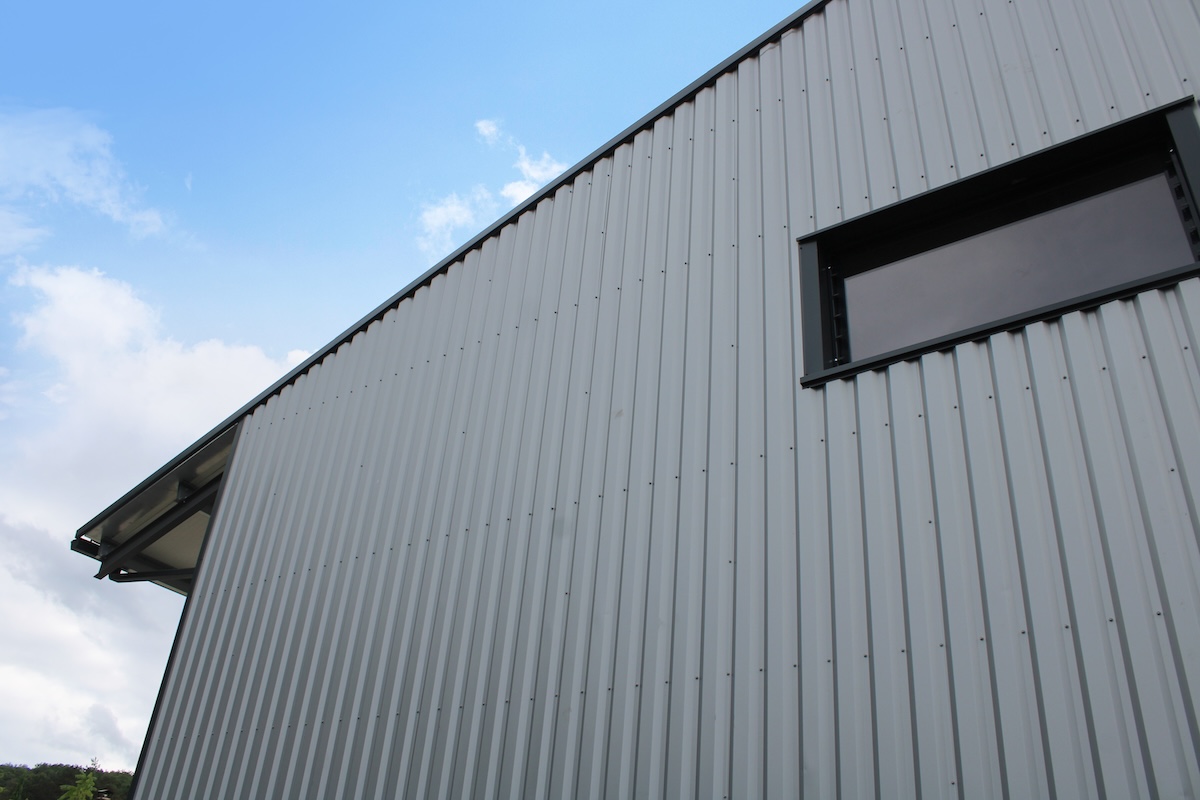
Aluminum siding tends to have a smoother, more metallic surface that works well with modern or industrial-style homes. While color options exist, they’re more limited compared to vinyl, and painted finishes can fade or scratch more easily.
Quick Takeaway: Vinyl wins in design versatility, while aluminum suits homeowners who prefer a more contemporary, low-sheen look.
2. Durability and Weather Resistance
Both materials handle harsh conditions well, but in different ways. Vinyl siding is resistant to moisture, insects, and rot, making it ideal for wet climates. However, in very cold temperatures, it can become brittle and more prone to cracking upon impact.
Aluminum siding performs well against wind and fire, and it won’t rot, rust (if properly coated), or attract pests. It can dent more easily than vinyl, especially from hail or falling branches.
Best for Spokane’s Climate: Aluminum siding handles the freeze-thaw cycles better, while vinyl shines during milder seasons.
3. Maintenance and Longevity
Vinyl siding requires very little upkeep—just a simple rinse with a garden hose or mild soap once or twice a year. The color is baked into the material, so it won’t peel or chip.
Aluminum siding, on the other hand, might need occasional repainting over the years. The enamel coating can fade or chalk with sun exposure, especially on south-facing walls.
Maintenance Tip: Homeowners who want the lowest maintenance often choose vinyl, while those who don’t mind repainting every decade or so may appreciate the durability of aluminum.
4. Cost and Installation
When comparing installation costs, vinyl typically comes out ahead. It’s lightweight, easy to cut, and installs quickly, which lowers labor expenses.
Aluminum siding is slightly more expensive to install due to its material thickness and the need for precision cutting. However, it can be a better value over time in areas with severe weather, as it resists cracking and warping.
Average Installed Cost:
- Vinyl: $6–$10 per square foot
- Aluminum: $7–$12 per square foot
These numbers vary based on home size, insulation type, and the chosen style of panel.
5. Energy Efficiency and Insulation
Both vinyl and aluminum siding can improve your home’s insulation when installed with a quality underlayment or rigid foam board. Vinyl siding is available in insulated versions that include built-in foam backing, improving energy performance and soundproofing.
Aluminum siding doesn’t provide natural insulation, but when paired with proper weather barriers, it can help reflect heat away from your home during the summer months.
Energy Note: In Spokane and surrounding areas, insulated vinyl siding is often preferred for its ability to retain heat during winter.
6. Environmental Impact
Vinyl siding is made from PVC, a type of plastic, which requires more energy to produce and can be challenging to recycle. However, many manufacturers have improved production efficiency and now offer recyclable versions.
Aluminum siding is 100% recyclable and often made from recycled materials. It’s a sustainable choice for eco-conscious homeowners who want a lower environmental footprint.
Eco-Friendly Edge: Aluminum siding earns the sustainability point, though vinyl is improving steadily in this area.
7. Lifespan and Resale Value
Vinyl siding typically lasts 20–30 years, depending on quality and care. Aluminum siding can last even longer—up to 40 years—if properly maintained.
In terms of resale, buyers tend to favor vinyl siding for its modern appearance and minimal upkeep. However, aluminum siding still adds value, especially when repainted and well cared for.
Longevity Winner: Aluminum leads slightly in lifespan, while vinyl takes the crown for long-term curb appeal.

Comparing Performance: Which is Better for Your Home?
Both materials are strong contenders for homeowners in Spokane and surrounding areas. The “best” choice depends on your specific needs, priorities, and design goals.
Here’s a closer breakdown of key performance areas:
| Category | Vinyl Siding | Aluminum Siding |
| Durability | Resists moisture, can crack in cold | Strong and weatherproof, can dent |
| Maintenance | Very low, no repainting needed | May need repainting every 10–15 years |
| Cost | Lower upfront cost | Slightly higher cost |
| Energy Efficiency | Excellent with insulation backing | Reflects heat, pairs well with foam board |
| Environmental Impact | Somewhat recyclable | Fully recyclable |
| Appearance Options | Wide range of colors and textures | Sleek, limited palette |
| Lifespan | 20–30 years | 30–40 years |
If you prioritize aesthetics and minimal upkeep, vinyl might be your best fit. If you care more about long-term durability and sustainability, aluminum could be worth the higher investment.
Matching Siding to Spokane’s Climate
Every region presents its own challenges, and siding needs to handle both the weather and the environment. Spokane and surrounding areas see a mix of snow, rain, and sunshine that tests any material’s limits.
Here’s how each siding performs locally:
- Vinyl Siding: Holds up well through wet seasons and summer heat, but can become more brittle during freezing conditions. Modern insulated vinyl products have improved significantly in cold-weather performance.
- Aluminum Siding: Performs consistently through seasonal changes and offers natural resistance to fire and pests. It’s a reliable choice for homeowners in wooded or rural settings.
Pro Tip: Whichever you choose, proper installation and sealing are key. Even the most durable siding can underperform if installed incorrectly or without proper moisture barriers.
Additional Factors to Consider Before Choosing
Your siding choice impacts more than just appearance. Think about how it fits into your overall home maintenance and lifestyle goals.
Other factors to weigh include:
- Noise reduction: Insulated vinyl can dampen outdoor sounds, especially in busy neighborhoods.
- Color longevity: Vinyl retains color better, while aluminum may require touch-ups.
- Fire resistance: Aluminum is non-combustible, which may be preferred in forested or dry regions.
- Repair ease: Vinyl panels are easy to replace individually, while aluminum repairs may involve more labor.
- Customization: Both materials can be mixed with stone or board and batten accents for added style.
No single option fits every home perfectly, but understanding your priorities makes the decision clear.

Final Thoughts and How Perfect Siding Can Help
Choosing between aluminum and vinyl siding is about balancing beauty, performance, and long-term value. Both offer unique strengths that suit different types of homes and budgets. For most homeowners in Spokane and surrounding areas, vinyl siding delivers the best mix of appearance and low maintenance, while aluminum provides exceptional durability and sustainability.
If you’re unsure which is right for your home, the team at Perfect Siding is here to help. Our experts take the time to understand your goals, walk you through design choices, and recommend the materials that make sense for your home and climate. To learn more or request an estimate, contact us today.
Perfect Siding proudly serves homeowners throughout the Inland Northwest, delivering reliable craftsmanship, honest advice, and siding installations built to last for decades.