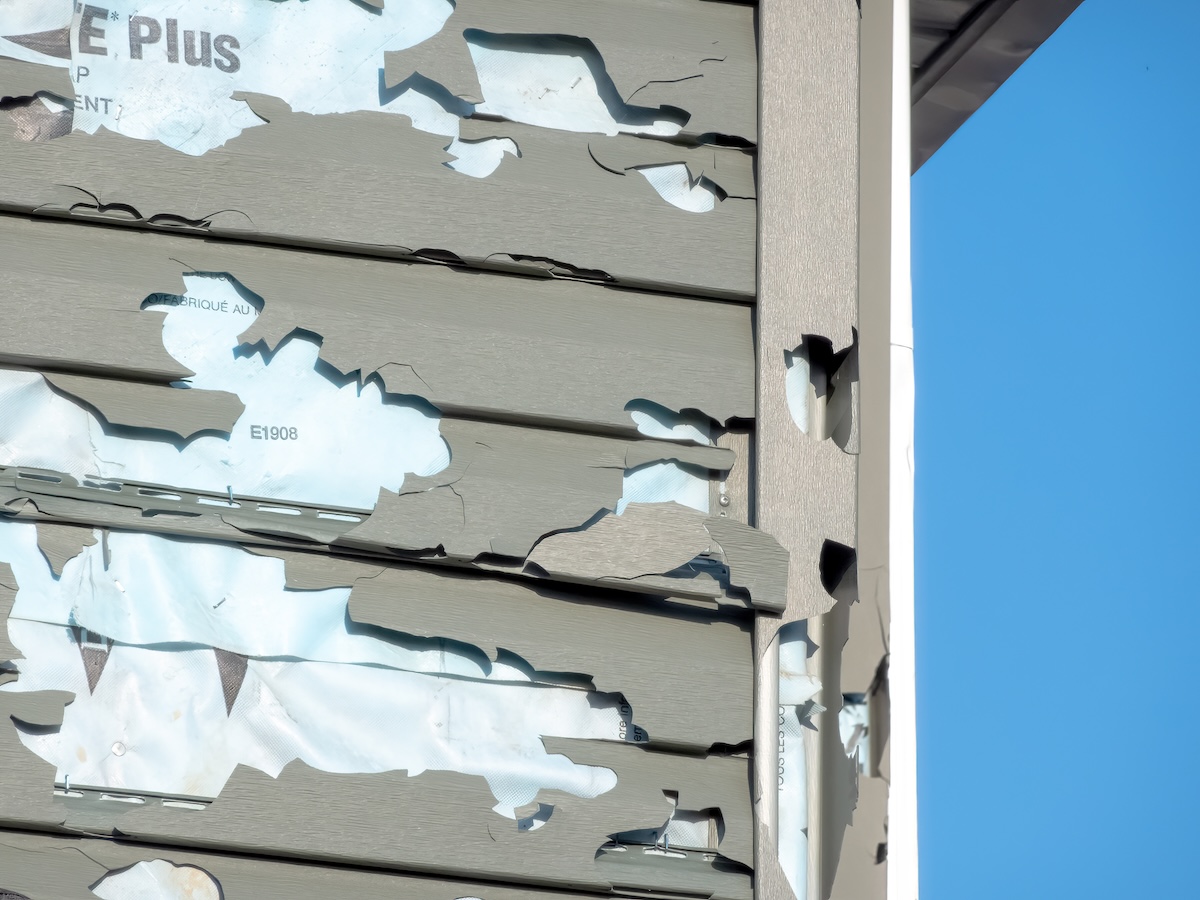
Hail Damage Siding Guide (6 Steps for Insurance Claims)
When storms roll through, one of the most vulnerable parts of your home is its exterior. Severe weather can leave lasting marks, and few issues are as frustrating as hail damage siding. Dents, cracks, and holes may seem cosmetic at first, but they can lead to water intrusion, mold growth, and long-term structural concerns. The good news is that most insurance policies cover storm-related siding damage, provided you know how to document and file a claim. If your home has been hit recently, now may be the right time to review professional siding repair or replacement services to restore both protection and curb appeal.
In this guide, you’ll learn:
- Why hail damage should never be ignored
- Step-by-step instructions for handling insurance claims
- How to identify different types of hail damage
- Practical repair and replacement considerations
🌩️ Why Hail Damage Requires Immediate Attention
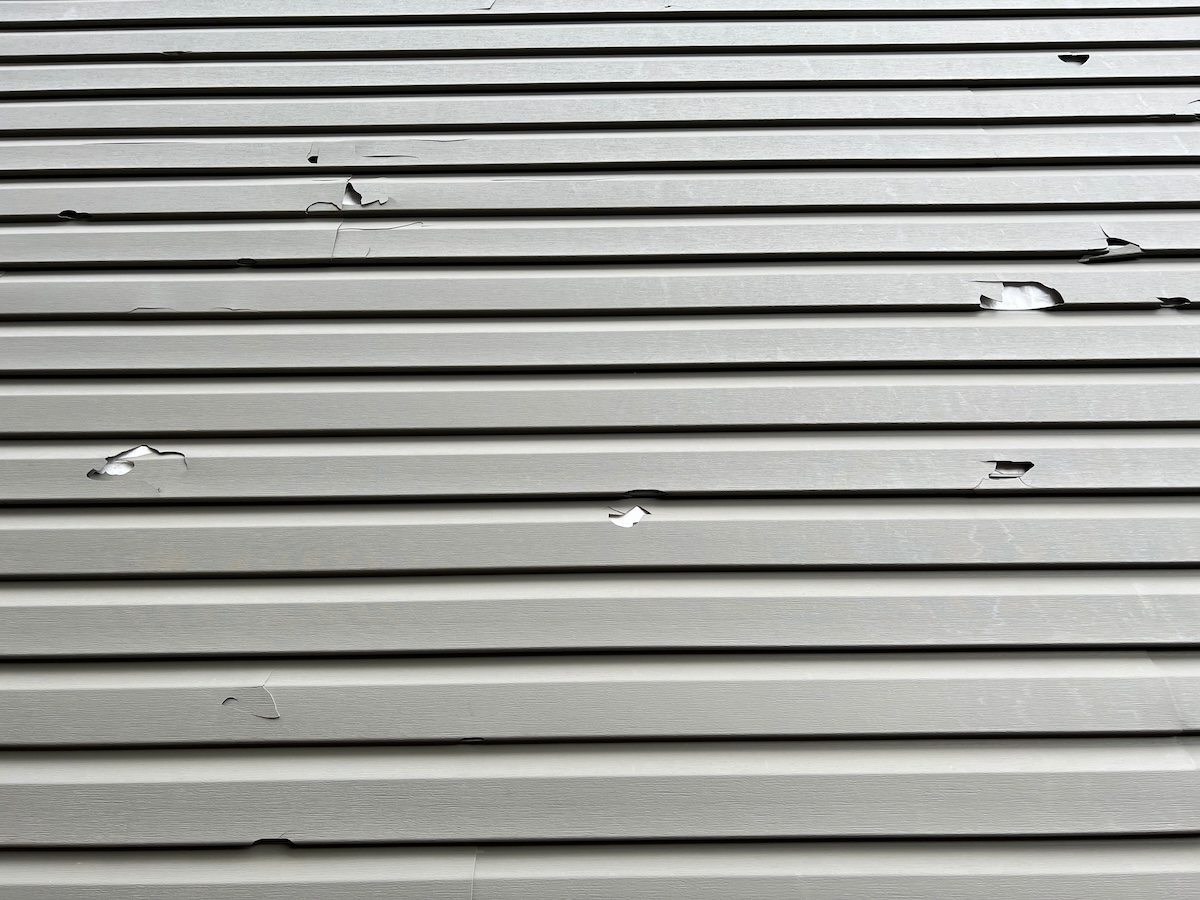
It’s tempting to treat hail damage as a minor inconvenience, but postponing action can have costly consequences. Even small cracks or dents may compromise your home’s exterior.
- Prevents hidden water damage: Hail chips and cracks allow moisture to seep into sheathing and framing.
- Protects insulation and efficiency: Damaged siding reduces your home’s ability to maintain comfortable temperatures.
- Avoids pests: Holes and gaps in siding create easy access points for insects and rodents.
- Supports insurance claims: Promptly reporting and documenting damage makes claims smoother and more likely to be approved.
By acting quickly, you protect your home from further damage and maintain eligibility for financial assistance.
📝 6 Steps for Filing an Insurance Claim After Hail Damage
Dealing with insurance may feel overwhelming, but breaking the process into clear steps helps simplify it.
1. Inspect Your Siding Safely
Once the storm passes, walk around your home to identify visible issues.
- Look for cracks, holes, or dents in siding panels.
- Pay attention to soft spots or areas where siding feels loose.
- Use caution—avoid climbing ladders immediately after a storm.
Documenting these signs early helps strengthen your claim.
2. Take Clear Photos and Notes
Insurance companies need visual proof. Capture every detail you can.
- Photograph siding from multiple angles.
- Include close-ups of dents, cracks, or missing panels.
- Write down the date, time, and severity of the storm.
Having thorough evidence makes your claim harder to dispute.
3. Review Your Insurance Policy
Not all policies cover siding damage the same way. Before filing, check key details.
- Confirm hail and windstorm coverage in your policy.
- Check deductibles and limits for exterior repairs.
- Note whether “matching coverage” applies if only one side of the home is damaged.
This knowledge prevents surprises later in the process.
4. Contact Your Insurance Provider
File the claim as soon as possible after the storm. Provide your photos, notes, and any supporting information.
- Ask about timelines for inspections and next steps.
- Keep copies of all emails, claim forms, and adjuster notes.
- Be proactive in scheduling appointments with adjusters.
5. Schedule a Professional Inspection
Insurance adjusters may not always spot every issue. Having a siding professional conduct their own inspection ensures nothing gets overlooked.
- Contractors can provide detailed repair estimates.
- Their reports help back up your claim.
- Professionals can also identify hidden water or structural damage.
6. Complete Repairs Promptly
Once your claim is approved, move quickly on repairs or replacement. Waiting too long can cause additional damage not covered by insurance.
- Choose licensed, insured contractors.
- Keep receipts and warranty documents for records.
- Consider upgrading siding materials for better storm resistance.
Following these steps not only secures your claim but also ensures your home is restored quickly and effectively.
🔍 How to Recognize Different Types of Hail Damage
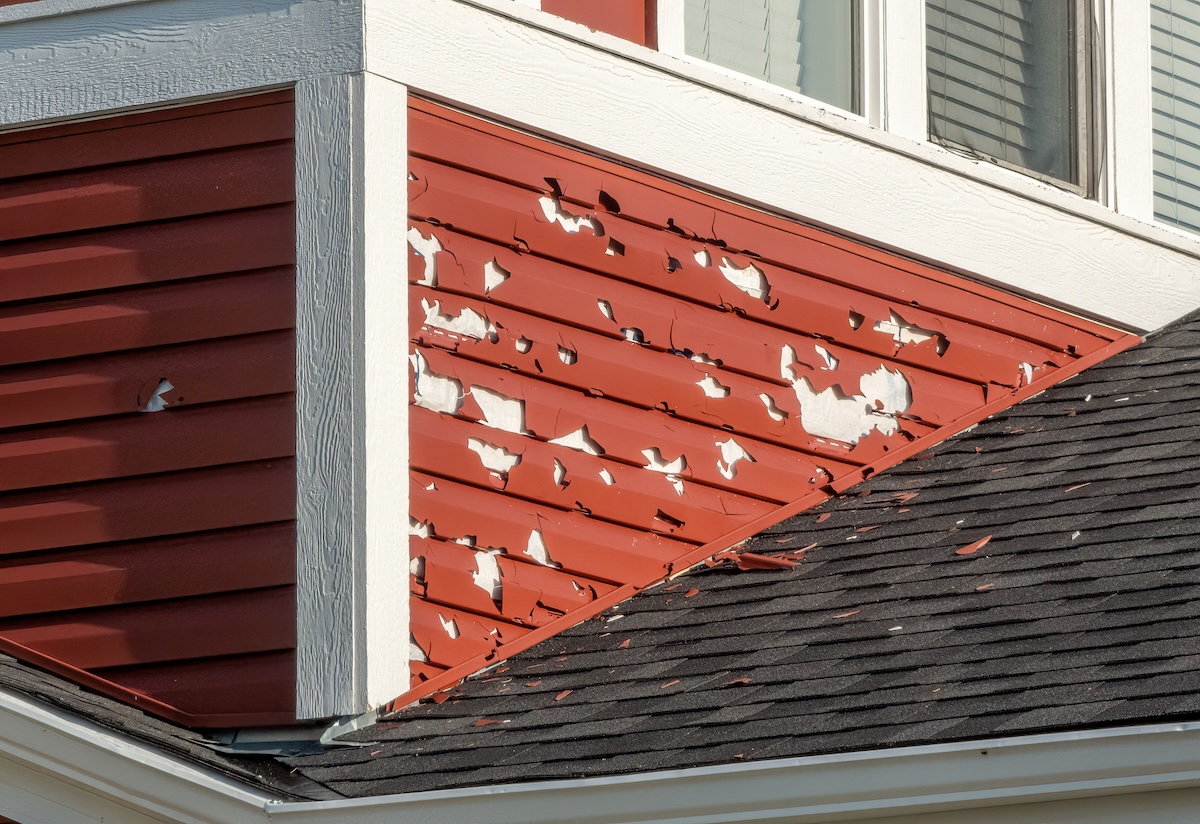
Not all hail damage looks the same. Here are the most common forms homeowners should watch for.
Cracks and Splits
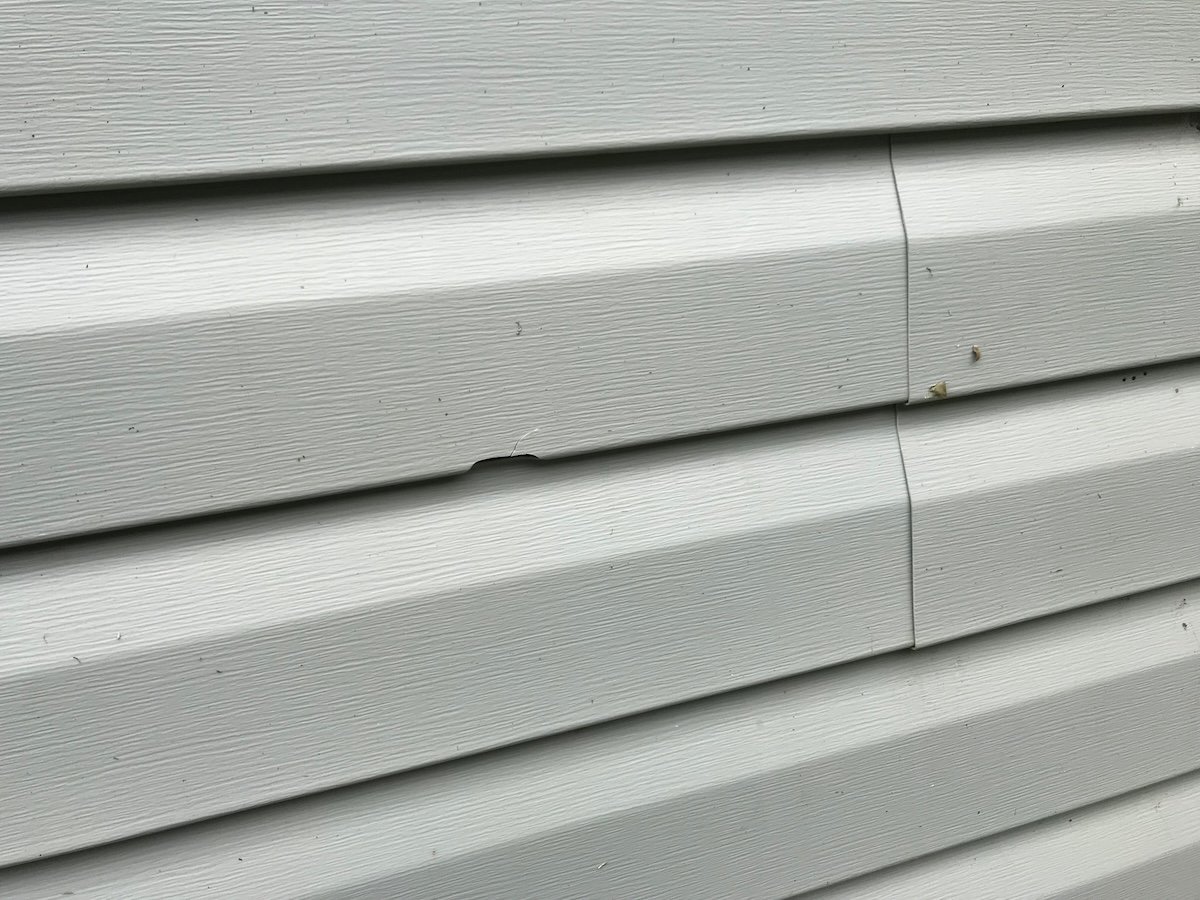
Hailstones striking vinyl or engineered wood siding often cause noticeable cracks or hairline splits. These weak spots may look minor at first but can quickly expand as temperatures shift or as wind-driven rain pushes moisture inside. Left untreated, cracks can lead to rotting sheathing, mold growth, and higher repair costs. Addressing them promptly ensures your home stays sealed against the elements.
Dents and Dings
Metal siding, including aluminum and steel, usually shows hail damage in the form of dents or dings. While these don’t always compromise structural integrity, they can make your home appear worn or poorly maintained. For homeowners planning to sell, visible dents may lower curb appeal and even reduce buyer confidence. In some cases, severe denting can weaken protective finishes, leaving metal vulnerable to rust.
Holes and Breaks
When hailstones are large or fall with significant force, they can puncture siding panels entirely. This is especially common with older vinyl or brittle wood siding. Holes allow water to flow directly behind panels, leading to leaks, insulation damage, and interior wall problems. Because of the serious risks, holes almost always require immediate replacement of affected sections to prevent further deterioration.
Loose or Shifted Panels
The combination of hail impact and strong winds can loosen siding from its fasteners, causing panels to shift or pull away from the wall. These gaps not only create openings for moisture but also provide entry points for insects and rodents. Over time, loose siding can rattle in the wind and eventually detach completely, creating both safety and structural concerns. Reattaching or replacing panels quickly helps maintain your home’s exterior defense.
Recognizing these types of damage ensures nothing is overlooked during inspections.
🧰 Repair vs. Replacement: What’s the Right Move?
After hail damage, homeowners often debate whether to repair individual panels or replace larger sections. The answer depends on the severity and extent of damage.
When Repairs Are Enough
- Only one or two panels show cracks or dents.
- The siding is relatively new and still in production.
- Damage is cosmetic rather than structural.
When Replacement Is Smarter
- Multiple sides of the home are damaged.
- Matching panels or colors are unavailable.
- Structural or water damage has already occurred.
Replacement can be more expensive upfront but provides a uniform appearance and stronger protection in the long run.
💸 Cost Considerations for Hail Damage Siding
Prices for hail repair or replacement vary based on several factors.
| Material | Average Repair Cost (per sq. ft.) | Replacement Cost (per sq. ft.) | Lifespan |
| Vinyl | $2 – $4 | $3 – $8 | 20–25 years |
| Fiber Cement | $4 – $7 | $6 – $12 | 40–50 years |
| Engineered Wood | $3 – $6 | $5 – $11 | 25–30 years |
| Metal | $5 – $9 | $7 – $14 | 30–40 years |
Additional costs may apply for:
- Emergency repairs after a severe storm
- Disposal of damaged siding
- Upgrading to higher-grade materials for durability
While insurance helps offset costs, it’s worth weighing whether a full replacement may save money long-term.
🏡 Protect Your Home from Future Hail Damage
Hail damage can be stressful, but understanding the process for repairs and insurance claims makes it manageable. By inspecting your siding promptly, documenting everything, and working with both your insurer and a trusted siding professional, you ensure your home is restored quickly and correctly.
If your property has recently endured a storm or you suspect exterior damage, don’t wait until problems spread inside—contact us today to schedule a professional siding inspection and get peace of mind knowing your home is protected.