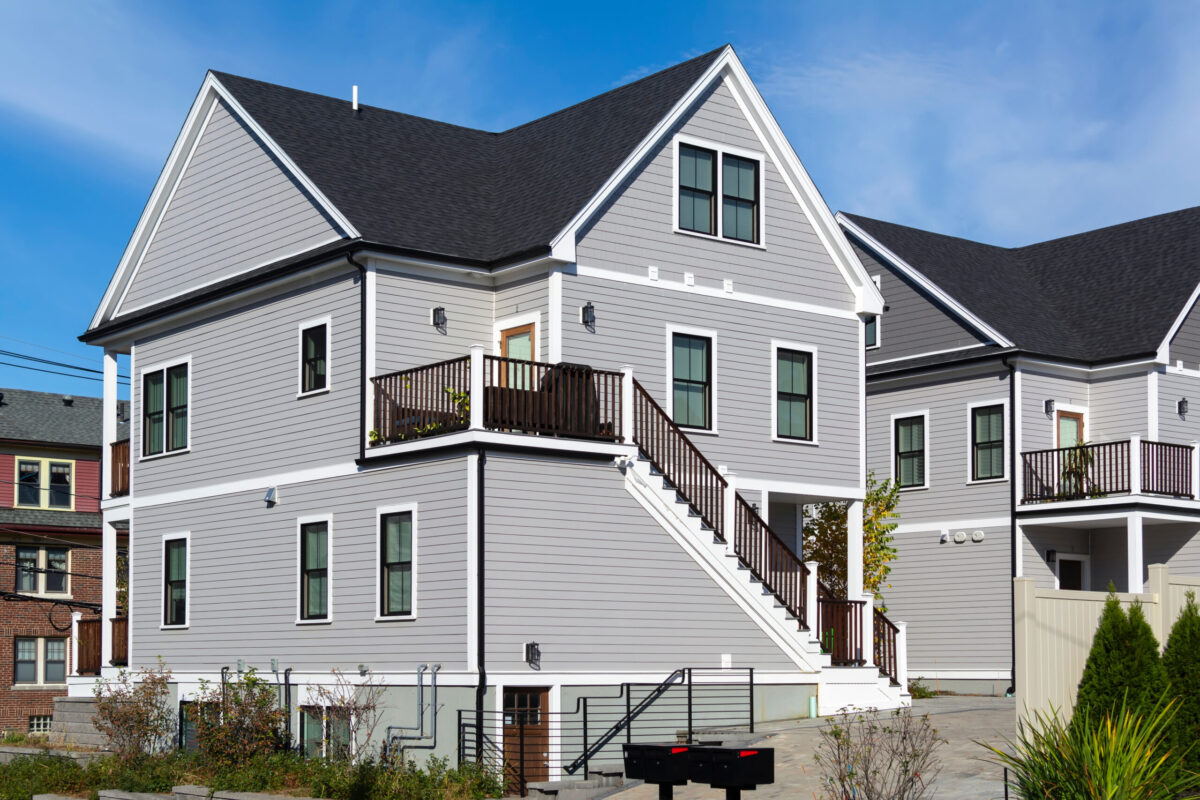
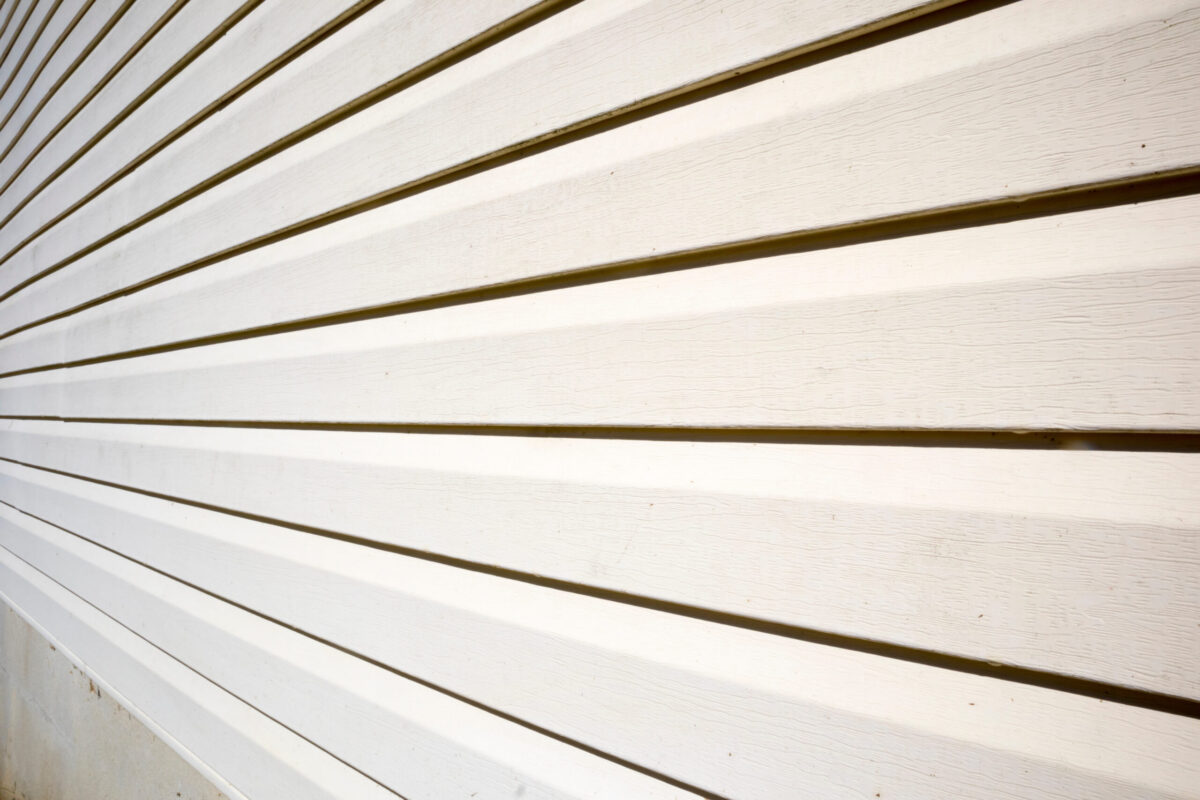
The classic horizontal look in James Hardie fiber cement, LP SmartSide engineered wood or Mastic premium vinyl. Measured, installed and backed by our factory-trained crews.
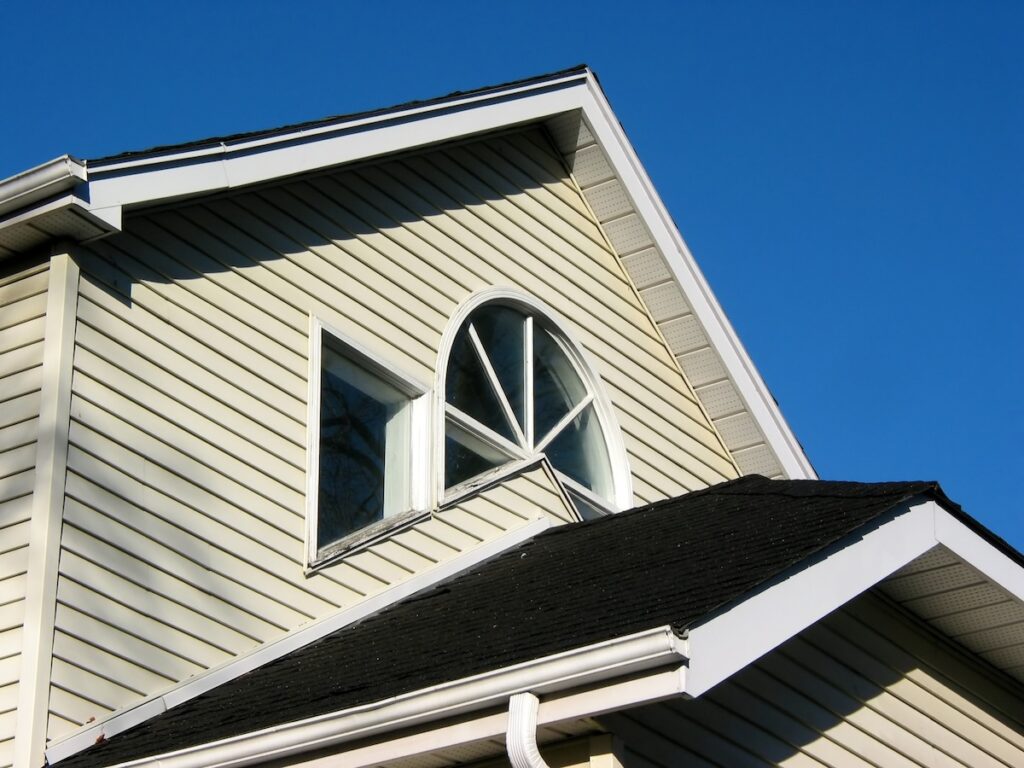
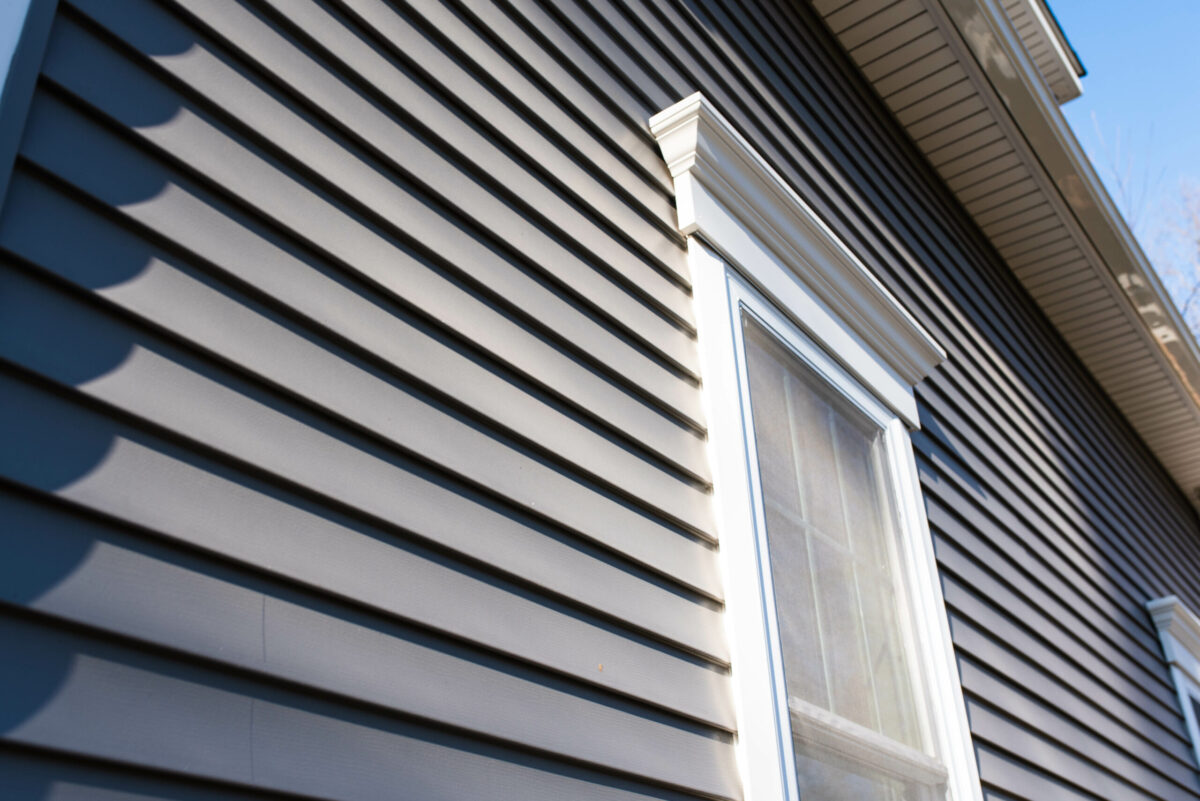
Lap siding is made of long horizontal boards installed so each one overlaps the board below it. That overlap sheds rain and snowmelt down and away from your walls. It is the most common siding style on homes across the Northwest.
The part of each board you can see is called the exposure. Narrow exposures look traditional and detailed. Wider exposures look cleaner and more modern. Lap siding also comes in different textures, like smooth and cedar grain, and profiles like Dutch lap, which adds a decorative cove under each course.
We install lap siding in three materials: James Hardie fiber cement, LP SmartSide engineered wood and Mastic premium vinyl. Compare all three below.
HardiePlank Smooth · LP Smooth · Mastic Single 8″ and Triple 3″ Smooth
Cedar-grain lap
Wood texture with crisp shadow lines
HardiePlank Select Cedarmill · LP cedar texture · Mastic Double 4″ and Double 5″
Dutch lap
A decorative cove under each course
Mastic Double 4.5″ Dutch Lap
Free 3D design starts here
Explore siding colors
Tap a color to see it on the house, then try different trim and siding styles. Colors on screen are approximate. We’ll bring real samples to your home.
Reviews from Perfect Siding Homeowners
✓ Verified reviews from Google
Posted on Google
Craig Ross
9 days ago
Trustindex verifies that the original source of the review is Google.
Very informative.
Posted on Google
keith swanson
154 days ago
Trustindex verifies that the original source of the review is Google.
Posted on Google
Steve Bailey
163 days ago
Trustindex verifies that the original source of the review is Google.
We had an excellent experience with Perfect Siding. The crew completed the job quickly without compromising on quality. Braeden was a standout, extremely responsive and professional. What impressed us most was his attention to detail; he identified and corrected a few minor issues on his own before we even noticed them. It’s rare to find that level of proactive service. Highly recommend.
Posted on Google
Luke Keogh
190 days ago
Trustindex verifies that the original source of the review is Google.
Although we went a different route, Austin proved to be a breath of fresh air. No hard selling, just polite, knowledgeable and definitely had our best interests in mind. Would recommend Perfect Siding with 5 stars all day long to anybody wishing to upgrade their siding!
Posted on Google
Kathleen Cook
209 days ago
Trustindex verifies that the original source of the review is Google.
Kevin and the crew never disappoint. They go above and beyond every time I have needed their services. They stand behind their work. They provide a quality service and product.
Their office staff are friendly and answer the phones on your first call.
I would not ever consider using another company due to the outstanding customer care and TLC they give every customer.
Posted on Google
Joshua Meyers
217 days ago
Trustindex verifies that the original source of the review is Google.
+5
I couldn't have found a better company for this project. Braeden was incredibly helpful with scheduling and worked closely with me to find a price that fit my budget. As you can see in the attached before-and-after photos, they replaced and painted all of my damaged siding, addressing everything from peeling to significant water damage. They assessed the site quickly and had the work scheduled just a week later. The service, quality, and pricing were all top-notch. I 100% recommend this team!
Posted on Google
Janet
230 days ago
Trustindex verifies that the original source of the review is Google.
Posted on Google
James Haynes
236 days ago
Trustindex verifies that the original source of the review is Google.
Austin was great to work with and he was very informative and explained things to us and was very helpful.
Posted on Google
Solomon Church
241 days ago
Trustindex verifies that the original source of the review is Google.
Great customer service. I have a painting company and have been in the industry a long time and the work they did made my job how it should always be because of their prep work with their caulking and filling nail heads and the communication through the whole process. Siding was straight and sturdy. Top of the line for the right price to the customer. Grab these guys for your next remodel. They care about the customer for sure and the quality.
Posted on Google
Talia Liermann
241 days ago
Trustindex verifies that the original source of the review is Google.
We had a great experience with Perfect Siding. Alicia was extremely friendly and professional from the very first phone call. She took the time to walk me through the entire process, answered all of my initial questions, and made everything easy to understand.
When Austin came out, he was very knowledgeable and thorough. He explained our options clearly and made sure we felt confident moving forward. The whole team was responsive, helpful, and easy to work with.
I would definitely recommend Perfect Siding to anyone looking for quality work and excellent customer service!
Verified by Trustindex
Trustindex verified badge is the Universal Symbol of Trust. Only the greatest companies can get the verified badge who has a review score above 4.5, based on customer reviews over the past 12 months. Read more
How It Works
01
Schedule Your Free Consultation
Pick a Time That Works for You
Tell us about your siding project and schedule a convenient in-home consultation.
02
Design Your Siding
Choose Styles, Colors & Trim
We’ll measure your home and help you compare siding materials, profiles, colors, trim and soffit options.
03
Get Your Custom Proposal
Clear Pricing & Financing Options
Review your siding package, installation scope, warranty, pricing, and available financing.
04
We Install Your New Siding
Professional Installation From Start to Finish
Our installation team removes your old siding, installs your new siding and trim, cleans the work area, and walks the project with you.
Financing
Financing available to qualified buyers
Subject to credit approval. Apply through GreenSky or ask your sales rep.
It depends on your home’s size, the material and profile you choose, trim details and what we find under the old siding. We don’t guess from a photo. We measure your home with a Hover 3D model and give you an exact written price.
Narrow exposures suit traditional and older homes. Wider exposures look more modern. Your rep can show you both on a 3D model of your actual house before you decide.
In most cases, yes. Tearing off the old siding lets us inspect the sheathing, fix any rot and install a new weather barrier before the new siding goes on.
You get the manufacturer’s product warranty plus Perfect Siding’s written 15-year workmanship warranty. We’ll give you copies of both. Coverage details are in the written documents.
Free on-site measure, a 3D model of your home and an exact written price.
James Hardie Alliance Elite Contractor
15-Year Workmanship Warranty
Factory-Trained Crews
Financing Available to Qualified Buyers
Free, No Obligation Estimate
Fill out the form and we’ll get in touch within one business day.
What Is Lap Siding? (Benefits, Installation & More)
Lap siding remains one of the most popular exterior cladding choices for homeowners across the country. Whether you’re building a new home or updating your current exterior, understanding lap siding can help you make an informed decision for your property.
This comprehensive guide covers everything you need to know about lap siding, including its benefits, installation process, materials, and maintenance requirements. We’ll also explore why this classic siding style continues to be a top choice for homeowners seeking both durability and aesthetic appeal.
What lap siding is and how it’s installed
Key benefits of choosing lap siding for your home
Different material options available
Installation considerations and costs
Maintenance requirements and longevity
🤔 What Is Lap Siding?
Lap siding, also known as clapboard or horizontal siding, consists of long, narrow boards installed horizontally across your home’s exterior walls. Each board overlaps the one below it, creating a distinctive layered appearance that sheds water effectively while providing excellent protection against the elements.
The overlapping design is what gives lap siding its name and its superior weather resistance. Water runs down the face of each board and drips off at the bottom edge, preventing moisture from penetrating behind the siding system.
How Lap Siding Works
Lap siding is both a practical and stylish choice for your home’s exterior, offering protection and aesthetic appeal. Its horizontal installation is designed to channel water away from the structure, providing reliable weather resistance. This time-tested design has been used for centuries due to its ability to balance functionality with visual charm.
Here’s how lap siding works and why it’s so effective:
Waterproof Design: The overlapping joints create a tight, weatherproof barrier, preventing water from seeping into your home’s structure. This helps protect against moisture damage, mold, and rot.
Natural Water Drainage: The horizontal alignment naturally guides rainwater downward and away, reducing the risk of water pooling near your home’s foundation.
Enhanced Durability: Designed to withstand various weather conditions, lap siding is a long-lasting solution for exterior protection.
Improved Curb Appeal: The clean horizontal lines add visual interest and can make your home appear wider, enhancing its overall look.
Timeless Functionality: This design has a proven history, combining practicality and aesthetics for centuries.
🏠 Material Options for Lap Siding
Modern lap siding comes in several material options, each with distinct advantages and price points.
Siding Type
Cost (per sq. ft.)
Installation
Key Features
Vinyl Lap Siding
$6 – $8
Easy to install; allows for quick work by contractors
Budget-friendly, widely available, variety of colors/textures mimicking wood grain
Fiber Cement Lap Siding
Higher price point
More time and labor required due to weight and cutting needs
Superior durability, fire-resistant, premium option
Engineered Wood Siding
Premium pricing
Requires careful installation, including caulking every cut to prevent moisture damage
Authentic wood look, stable, resists warping and splitting
✅ 7 Top Benefits of Lap Siding
Lap siding is a popular choice for homeowners because it combines durability with timeless style. It offers great protection against weather while adding value and curb appeal to your home.
1. Excellent Weather Protection
Lap siding is designed to protect your home from harsh weather conditions.
Overlapping boards create multiple barriers against rain and snow.
Water is shed effectively to prevent moisture buildup and structural damage.
2. Timeless Aesthetic Appeal
Lap siding adds a classic and versatile charm to any home.
Complements both traditional and modern architectural styles.
Horizontal lines create a proportional, larger appearance for your home.
3. Versatile Design Options
Customize your siding to fit your unique design vision.
Available in various widths, textures, and colors.
Narrow boards offer a refined look, while wider planks provide a bold, modern aesthetic.
4. Energy Efficiency
Improve your home’s energy performance with lap siding.
Works well with insulation and house wrap to create a thermal barrier.
Helps maintain consistent indoor temperatures, reducing energy costs.
5. Durability and Longevity
Enjoy siding that stands the test of time with proper care.
Quality materials can last over 30 years.
Fiber cement options often come with long warranties for added peace of mind.
6. Easy Maintenance
Keep your siding looking great with minimal effort.
Most materials only need occasional cleaning and inspections.
Vinyl siding never requires painting, while fiber cement needs repainting every 15–20 years.
7. Cost-Effective Installation
Save time and money with straightforward installation.
Familiar horizontal application reduces labor costs and complexity.
Most contractors are experienced with lap siding, ensuring a smooth process.
🛠️ Installation Process and Considerations
Professional installation ensures your lap siding performs optimally and maintains your home’s warranty coverage. The installation process involves several critical steps that require expertise and specialized tools.
Site Preparation
Proper site preparation is essential for a successful siding installation. This step ensures that the structure is ready to support the new siding and maximizes its durability and performance. Key tasks include:
Removing old siding: All existing siding is carefully removed to expose the underlying structure. This allows installers to start with a clean surface.
Inspecting and repairing the structure: The underlying framework is thoroughly inspected for any signs of damage, rot, or structural issues. Repairs are made as needed to create a stable foundation.
Installing moisture barriers: Proper moisture barriers, such as house wrap or vapor barriers, are added to protect the structure from water infiltration.
Adding insulation systems: In some cases, insulation is installed to improve energy efficiency and provide additional protection against extreme weather conditions.
Precise Measurement and Planning
Accurate measurements and detailed planning are crucial to achieving a polished and professional look. Proper planning helps ensure the siding fits perfectly and aligns seamlessly with architectural features. Steps include:
Taking precise measurements: Installers measure every wall, corner, window, and door to calculate the exact amount of siding needed.
Laying out the design: A detailed layout plan is created to determine how the siding will be applied for consistent spacing and optimal alignment.
Accounting for architectural features: Special attention is given to features like windows, doors, and trim to ensure the siding integrates perfectly without gaps or misalignment.
Planning for efficient installation: Careful planning minimizes material waste and ensures the process is completed efficiently.
Quality Materials and Techniques
Using high-quality materials and expert techniques ensures the siding is durable, weather-resistant, and visually appealing for years to come. Key practices include:
Choosing quality materials: Only top-grade materials are used to ensure the siding can withstand weather and wear.
Proper fastening methods: Installers follow recommended fastening techniques to secure the siding firmly without over-tightening, which can cause damage.
Allowing for expansion gaps: Expansion gaps are carefully calculated and incorporated to accommodate temperature fluctuations and prevent buckling.
Attention to flashing details: Flashing is installed around windows, doors, and other openings to prevent water from seeping behind the siding and causing damage.
Final inspections: The finished work is inspected for alignment, secure installation, and overall quality before being deemed complete.
🤝 Trust Perfect Siding for Your Lap Siding Project
Choosing the right contractor is just as important as selecting the right siding material. At Perfect Siding, we’re the #1 trusted siding contractor in the Northwest, bringing years of experience and expertise to every lap siding installation.
Ready to explore lap siding options for your home? Contact Perfect Siding today for your free, no-obligation consultation. Your home deserves professional attention, and our team is here to help you achieve the perfect siding solution.