
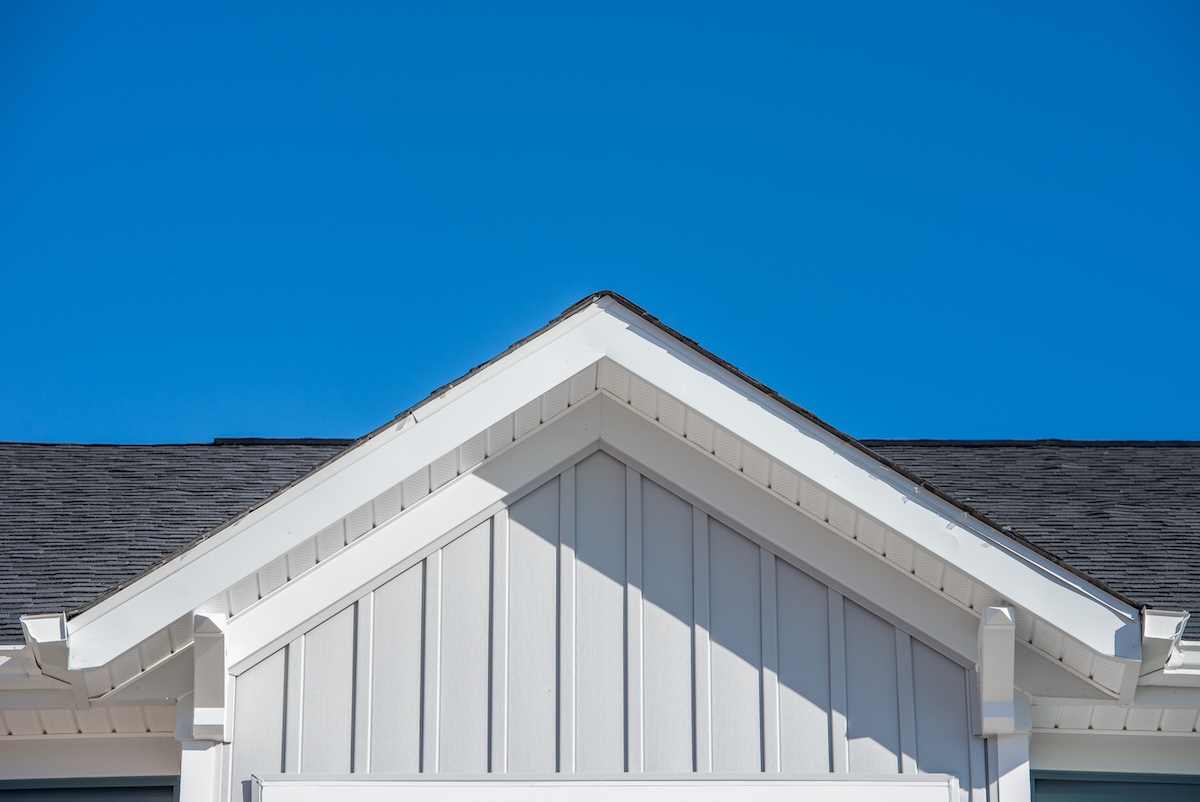
Vertical Vinyl Siding: Top 5 Benefits & Install Tips
When it comes to upgrading your home’s exterior, vertical vinyl siding stands out for its modern aesthetic, durability, and low maintenance. Whether you’re building a new home or giving your facade a fresh update, vertical siding can dramatically improve curb appeal while offering long-term performance.
But is it the right choice for your project? In this guide, you’ll discover:
- What vertical vinyl siding is and how it differs from horizontal siding
- The top 7 proven benefits of vertical vinyl siding
- A step-by-step look at how vertical siding is installed
What is Vertical Vinyl Siding?

Unlike traditional horizontal siding, vertical vinyl siding features panels installed from top to bottom, creating clean, elongated lines that stand out. This type of siding is a popular choice for homeowners looking to give their property a touch of modern or farmhouse charm. It not only enhances the visual appeal of a home but also offers practical benefits. Made from durable PVC material, vertical vinyl siding is designed to withstand the test of time, requiring minimal maintenance while remaining resilient to harsh weather conditions. Whether you’re aiming for a rustic or contemporary look, vertical siding can transform the exterior of your home. Here are some key styles and features to consider:
- Board and Batten for a rustic, farmhouse aesthetic
- Flat Panels for a clean and contemporary look
- Textured Finishes for added visual interest
- Custom Colors to suit any home style
- High Durability to withstand harsh weather conditions
6 Benefits of Vertical Vinyl Siding

Vertical vinyl siding isn’t just about looks. It offers several practical advantages that make it a favorite for homeowners and professionals alike.
1. Durability
Vinyl siding is widely recognized as one of the toughest options on the market. Its resistance to cracking, peeling, and fading makes it ideal for homes in harsh climates, where extreme weather conditions can take a toll on other materials. Whether it’s intense sunlight, heavy rainfall, or freezing temperatures, vinyl siding is built to last, ensuring your home looks great year after year without constant repairs or replacements.
2. Low Maintenance
Say goodbye to the hassle of annual paint jobs and constant upkeep. Vertical vinyl siding requires minimal maintenance to keep it looking fresh and vibrant. An occasional rinse with a garden hose is all it takes to remove dirt, dust, or grime. This makes it a perfect choice for homeowners who want a polished exterior without spending countless hours on maintenance.
3. Moisture Resistance
One of the standout benefits of vertical siding is its superior water drainage compared to horizontal siding. When properly installed, vertical vinyl siding minimizes the risk of moisture buildup, which can lead to problems like mold, mildew, or wood rot. This feature is especially important for homes in areas with heavy rainfall, as it helps preserve the structural integrity of your property.
4. Energy Efficiency
Vinyl siding isn’t just about aesthetics—it can also improve your home’s energy efficiency. When paired with foam-backed panels or additional insulation layers, vinyl siding creates a protective barrier that reduces heat loss in the winter and keeps interiors cooler in the summer. This enhanced insulation can lead to significant savings on energy bills over time, making it an eco-friendly and cost-effective option.
5. Versatile Aesthetics
Vinyl siding offers unmatched design flexibility with a wide range of colors, textures, and styles to choose from. Whether you’re looking for a modern, clean look or a more traditional finish, vertical siding can be customized to suit your taste. It also pairs beautifully with other exterior materials like brick or stone, allowing designers to create a visually stunning and cohesive look for your home.
6. Affordability
For homeowners seeking high-quality siding without breaking the bank, vinyl is one of the most budget-friendly options available. With costs ranging between $6 and $8 per square foot, vinyl siding delivers exceptional value. Its affordability, combined with its durability and low maintenance, makes it a smart investment for anyone looking to enhance their home’s exterior without sacrificing quality.
How to Install Vertical Vinyl Siding?
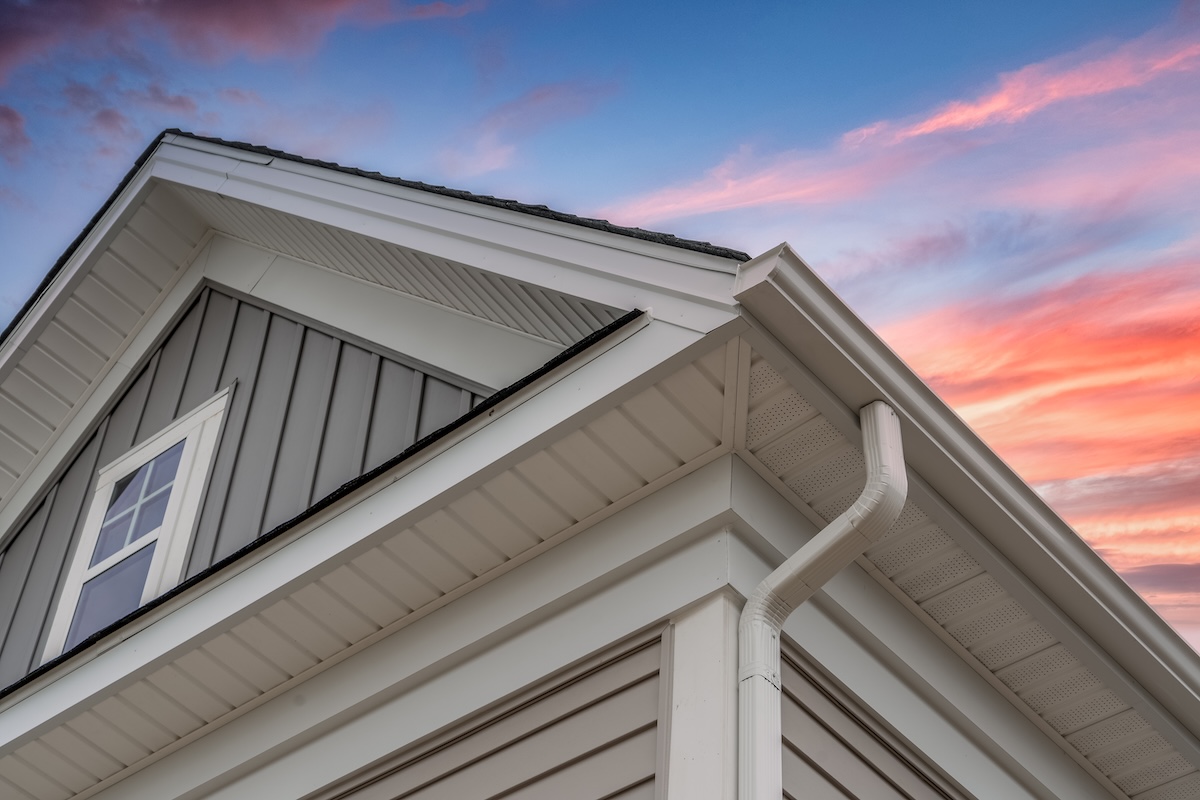
Installing vertical vinyl siding is a straightforward but detail-sensitive process. When done properly, it delivers a sleek, modern look that stands up to weather for decades. Below is a step-by-step guide that outlines the essentials, plus tips from experienced installers to help you avoid common mistakes.
Step 1: Prepare the Wall Surface
Remove all existing siding, nails, and debris to expose the sheathing or wall studs.
Inspect for signs of:
- Rot
- Mold or mildew
- Warping or structural damage
Pro Tip: Install a weather-resistant barrier (WRB) or house wrap at this stage. It helps prevent moisture intrusion and adds a layer of energy efficiency.
Step 2: Install Horizontal Furring Strips
Because vinyl siding is designed to be installed vertically, you’ll need to mount horizontal furring strips (usually 1×3 or 1×4 lumber) across the wall.
- Spacing: 16–24 inches apart (check your local building code)
- Fasteners: Use galvanized or corrosion-resistant nails/screws
Purpose:
- Provides a secure nailing surface
- Improves ventilation and drainage behind the siding
Mistake to Avoid: Uneven furring strips can cause visible waves or buckling in the siding.
Step 3: Attach Starter Strips & Trim
- Start with starter strips at the bottom of the wall. Make sure they are level — this sets the foundation for the entire installation.
- Install outside corners, inside corners, and window/door trim.
Quick Tip: Use a chalk line to verify horizontal alignment before attaching strips.
Step 4: Install Vertical Siding Panels
- Begin at one corner and lock the first panel into the starter strip.
- Use siding nails or screws, leaving a slight gap (~1/32″) to allow for thermal expansion.
- Work across the wall, snapping each panel into the last.
Checkpoints:
- Don’t overtighten fasteners — the panels should move slightly when pushed.
- Keep checking level and alignment every few rows.
Step 5: Add J-Channels to Finish
Wrap up the job by installing J-channels around:
- Windows
- Doors
- Eaves and rooflines
These create clean edges, improve water drainage, and enhance the finished appearance.
Final Tip: Always slope the bottom of J-channels slightly outward to prevent water pooling.
Is Vertical Vinyl Siding Right for Your Home?
If you’re looking to boost curb appeal, reduce maintenance, and invest in long-lasting protection, vertical vinyl siding is one of the smartest upgrades you can make. Its sleek appearance, resistance to the elements, and modern versatility make it a favorite for homeowners who want both form and function.
Ready to transform your home? Contact Perfect Siding today for your free consultation and let’s create an exterior that’s as strong as it is stunning.