
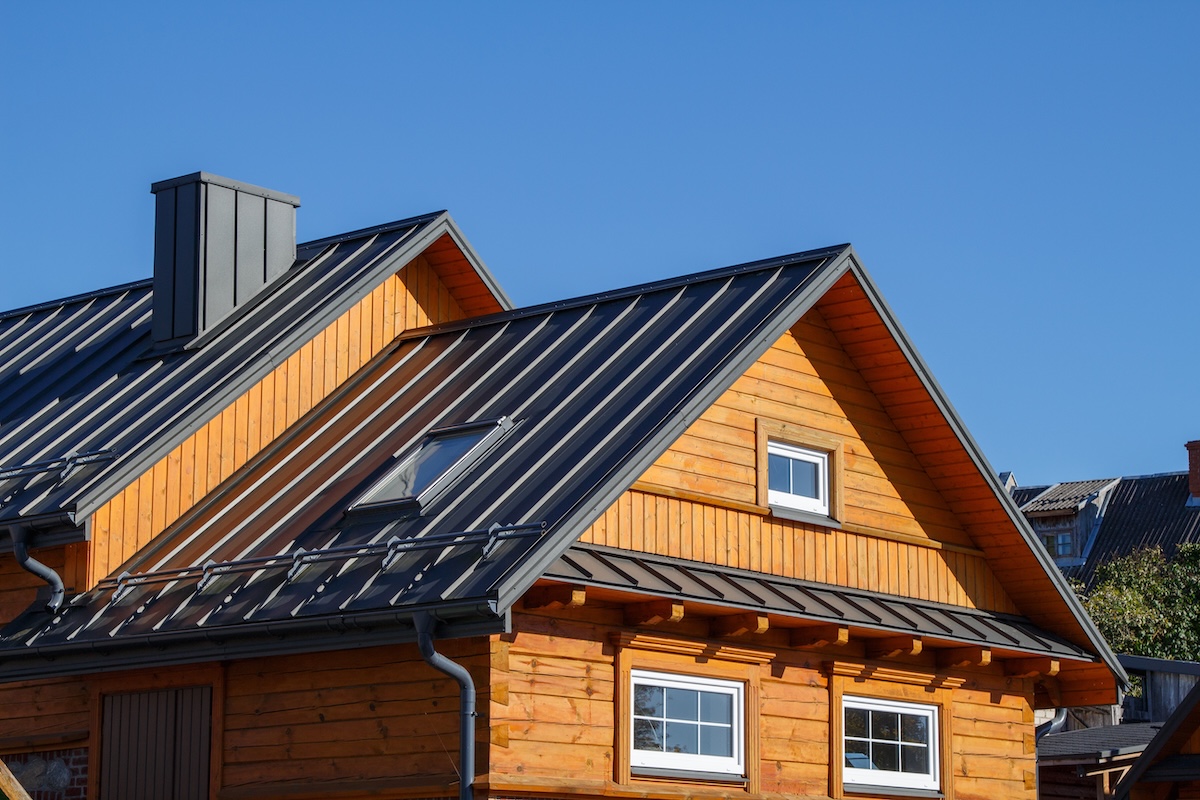
5 Wood Siding Types: How To Choose The Right One?
Choosing the right wood siding for your home is one of the most important exterior decisions you’ll make. Wood siding not only protects your home from the elements but also defines its character and curb appeal for years to come. With so many wood siding types available, selecting the perfect option can feel overwhelming.
You’ll discover everything you need to know about different wood siding materials, installation methods, and maintenance requirements in this comprehensive guide. We’ll walk you through the most popular wood siding options, help you understand the pros and cons of each type, and provide practical advice for making the best choice for your specific needs and budget.
Here’s what we’ll cover:
- Popular wood siding types and their unique characteristics
- Factors to consider when selecting wood siding
- Installation methods and their benefits
- Maintenance requirements for different wood types
- Cost considerations and long-term value
🏠 5 Different Wood Siding Types
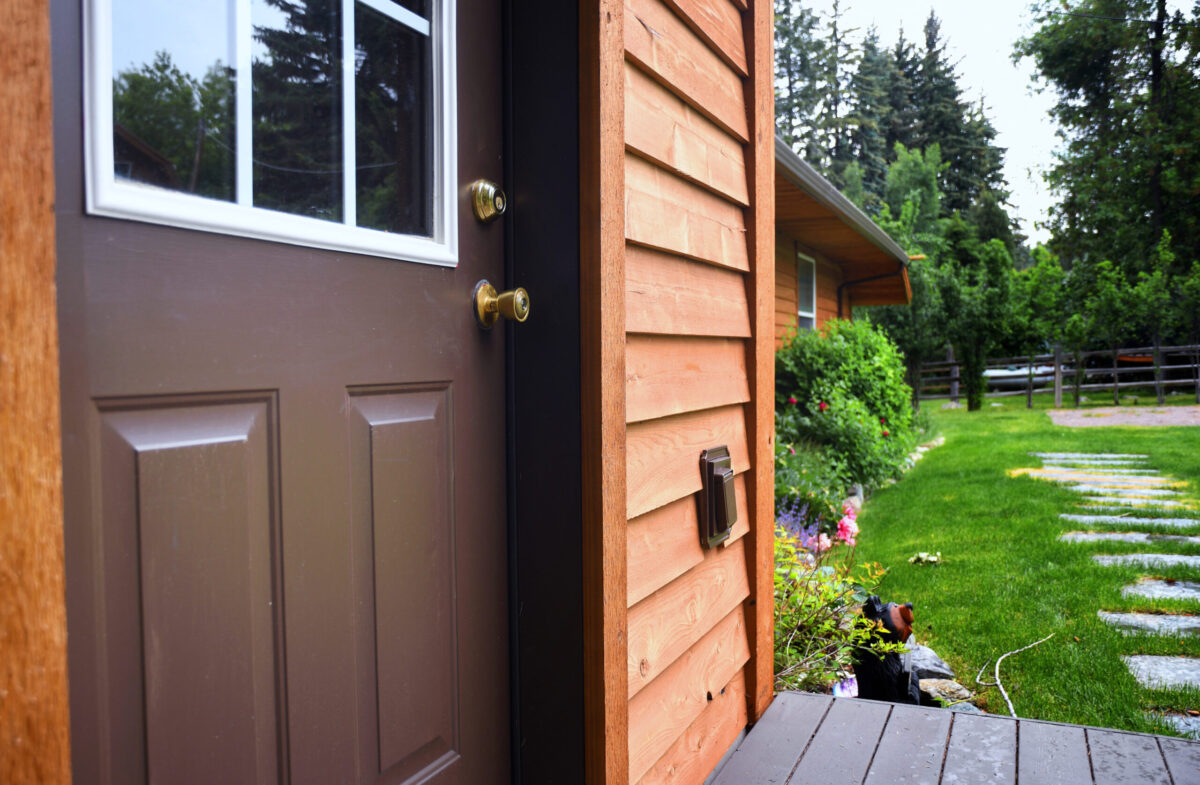
Wood siding comes in various species, each offering distinct advantages in terms of appearance, durability, and cost. The type of wood you choose will significantly impact your home’s look, maintenance needs, and long-term performance.
1. Cedar Wood Siding
Cedar stands out as one of the most popular choices for wood siding, and for good reason. This naturally rot-resistant wood contains oils that help protect it from moisture, insects, and decay. Western Red Cedar and Eastern White Cedar are the two main varieties used for siding applications.
Benefits of Cedar Siding:
- Natural resistance to rot, decay, and insects
- Excellent insulation properties
- Beautiful grain patterns and rich color variations
- Lightweight yet durable
- Takes stain and paint well
Cedar weathers to an attractive silver-gray color if left untreated, making it perfect for homeowners who prefer a natural, rustic appearance. However, regular maintenance with stain or sealant will preserve its original color and extend its lifespan significantly.
2. Pine Wood Siding
Pine offers an affordable entry point into wood siding while still providing attractive results. Southern Yellow Pine and Eastern White Pine are commonly used varieties, each bringing different characteristics to your home’s exterior.
Key Features of Pine Siding:
- Cost-effective option for budget-conscious homeowners
- Takes paint and stain exceptionally well
- Readily available in most regions
- Good workability for custom installations
- Straight grain patterns create clean lines
Pine requires more frequent maintenance than cedar due to its lower natural resistance to moisture and insects. However, with proper treatment and regular upkeep, pine siding can provide decades of reliable performance.
3. Redwood Siding
Redwood represents the premium end of wood siding options. This California native offers exceptional beauty and natural durability that makes it a favorite among homeowners seeking luxury materials.
Redwood Siding Advantages:
- Outstanding natural resistance to decay and insects
- Rich, warm color tones
- Minimal shrinkage and warping
- Long lifespan with proper care
- Environmentally sustainable when sourced responsibly
The higher cost of redwood makes it less accessible than other options, but its longevity and stunning appearance often justify the investment for discerning homeowners.
4. Fir Wood Siding
Douglas Fir provides an excellent balance of strength, appearance, and affordability. This versatile wood species works well for various siding applications and offers reliable performance in different climates.
Douglas Fir Characteristics:
- Strong and stable wood structure
- Prominent grain patterns add visual interest
- Good paint and stain retention
- Moderate cost compared to premium woods
- Widely available across North America
Fir requires regular maintenance to prevent moisture damage, but its strength and workability make it a solid choice for many homeowners.
5. Cypress Wood Siding
Cypress brings unique characteristics to wood siding applications, particularly in humid climates where its natural properties shine. This southern wood species offers excellent resistance to moisture-related problems.
Cypress Siding Benefits:
- Natural resistance to moisture and decay
- Distinctive grain patterns
- Good dimensional stability
- Performs well in high-humidity environments
- Sustainable harvesting practices are available
🛠️ Installation Methods for Wood Siding
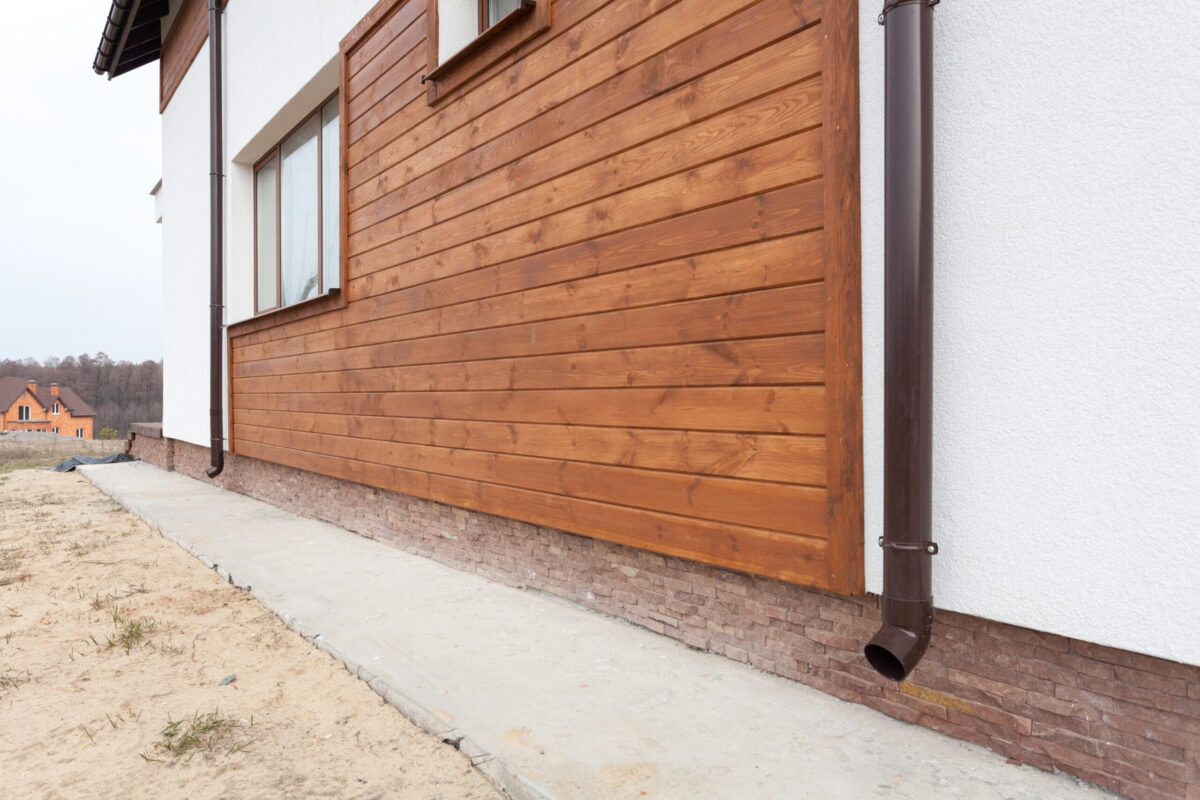
The way your wood siding is installed affects both its appearance and performance. Understanding different installation methods helps you make informed decisions about your siding project.
Horizontal Siding Installation
Horizontal wood siding remains the most traditional and popular installation method. This approach creates classic lines that complement various architectural styles.
Common Horizontal Siding Styles:
- Clapboard: Overlapping boards create shadow lines
- Shiplap: Boards fit together with rabbet joints
- Board and batten: Alternating wide boards and narrow strips
- Tongue and groove: Interlocking boards for tight seams
Vertical Siding Installation
Vertical wood siding offers a contemporary look that can make homes appear taller and more dramatic. This installation method works particularly well with modern and rustic architectural styles.
Popular Vertical Siding Options:
- Board and batten: Traditional farmhouse appearance
- Channel siding: Clean, modern lines
- Vertical tongue and groove: Seamless appearance
Shingle and Shake Siding
Wood shingles and shakes provide texture and visual interest that’s difficult to achieve with other siding types. These options work exceptionally well for accent areas or entire home coverage.
Shingle vs. Shake Characteristics:
- Shingles: Machine-cut for uniform appearance
- Shakes: Hand-split for rustic, textured look
- Both offer excellent weather protection
- Natural cedar varieties age beautifully
👉 Factors to Consider When Choosing Wood Siding For Curb Appeal

Selecting the right wood siding involves evaluating multiple factors that affect both immediate satisfaction and long-term performance.
Climate Considerations
Your local climate plays a crucial role in determining which wood siding types will perform best. Different wood species handle various weather conditions with varying degrees of success.
Hot, Dry Climates:
- Cedar and redwood perform exceptionally well
- Regular sealing prevents excessive drying and cracking
- Light colors help reflect heat and maintain wood integrity
Cold, Wet Climates:
- Choose naturally rot-resistant woods like cedar or cypress
- Proper installation with adequate ventilation is essential
- Regular maintenance prevents moisture penetration
Humid Climates:
- Cypress and cedar offer natural moisture resistance
- Ensure proper air circulation behind siding
- Consider pre-treated lumber for added protection
Budget and Long-Term Value
Wood siding represents a significant investment, but different wood types offer varying cost-to-value ratios.
Initial Cost Considerations:
- Pine and fir offer the most affordable options
- Cedar provides mid-range pricing with excellent value
- Redwood commands premium prices but offers superior longevity
Long-Term Value Factors:
- Higher-quality woods often require less frequent replacement
- Natural rot resistance reduces maintenance costs
- Proper installation and maintenance maximize any wood’s lifespan
Maintenance Requirements
Different wood siding types demand varying levels of ongoing care to maintain their appearance and performance.
Low-Maintenance Options:
- Cedar weathers naturally and can be left untreated
- Pre-finished siding reduces initial maintenance needs
- Quality stains and sealers extend time between treatments
Higher-Maintenance Choices:
- Pine requires regular painting or staining
- Fir needs consistent protection from moisture
- All wood siding benefits from annual inspections
👨🔧 Making Your Wood Siding Dreams a Reality
Wood siding transforms your home’s appearance while providing reliable protection from the elements. Whether you’re drawn to the natural beauty of cedar, the affordability of pine, or the luxury of redwood, the right choice depends on your specific needs, preferences, and budget.
Ready to explore wood siding options for your home? Contact our expert team today for a consultation. We’ll assess your specific needs, discuss the best wood siding types for your situation, and provide a detailed estimate for your project. Let us help you enhance your home’s beauty and value with the perfect wood siding solution.