Engineered Wood Siding (Benefits, Lifespan & More)
When it comes to upgrading your home’s exterior, few choices strike the balance between natural beauty and modern performance like engineered wood siding. Designed to capture the warmth and character of traditional wood without the headaches of constant upkeep, this material has quickly become a favorite for homeowners who want style and strength in one package. If you’re considering a siding replacement, you may want to explore installation options and learn whether engineered wood could be the perfect fit for your home.
In this guide, you’ll learn:
- Why engineered wood has gained popularity with modern homeowners
- The main benefits and features that set it apart
- How long it lasts compared to other materials
- Maintenance tips and cost factors to consider
- Whether this siding type is right for your property
🌲 Why Engineered Wood Has Become a Popular Choice
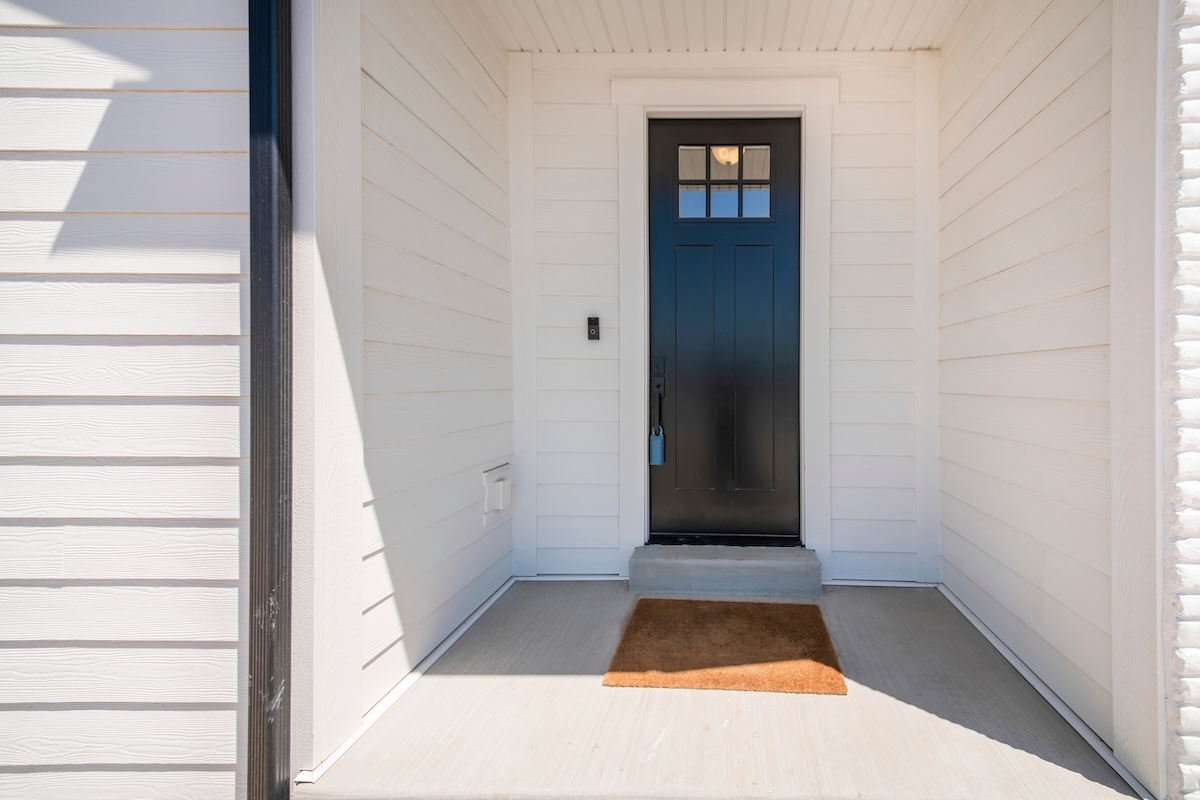
Engineered wood is made by combining wood fibers, resins, and special treatments to create siding that looks authentic while standing up to the elements. For homeowners who love the traditional charm of wood but don’t want the vulnerability, it offers the best of both worlds.
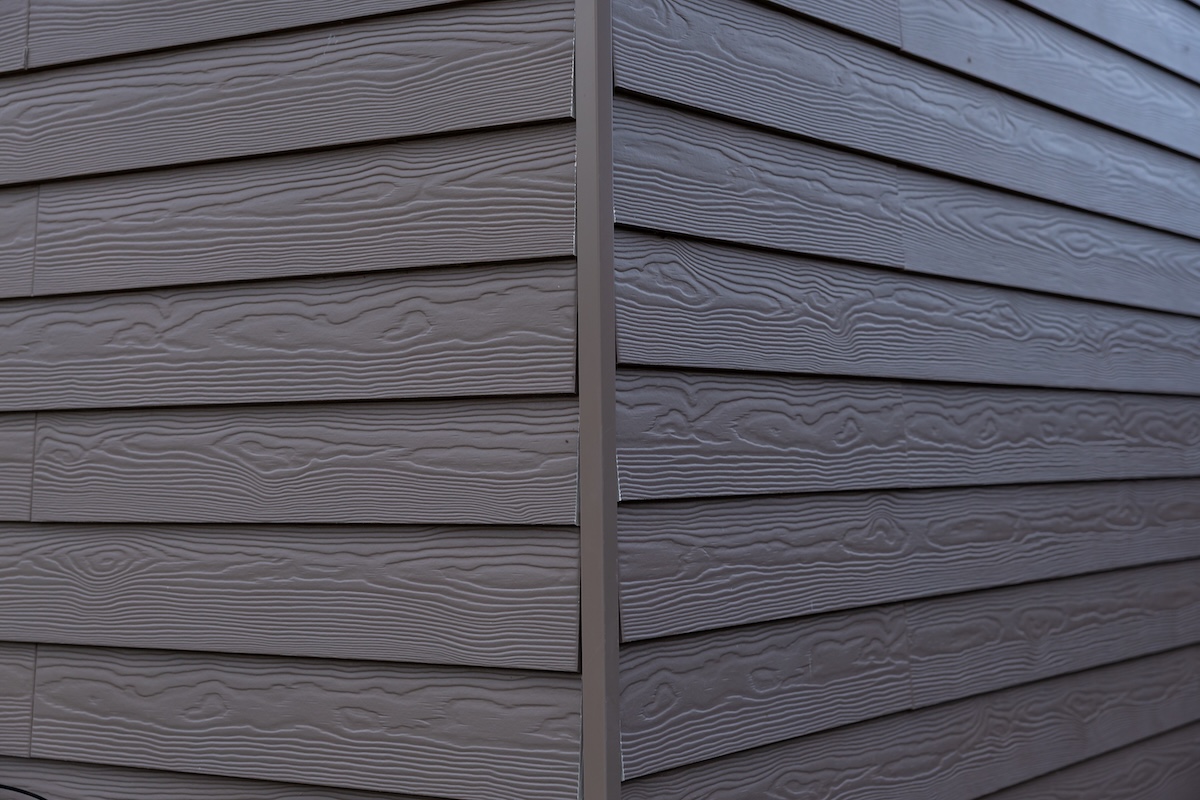
- Authentic appearance: Designed with deep-grain textures that closely mimic real wood.
- Enhanced durability: Resistant to rot, moisture, and insects thanks to protective coatings.
- Eco-friendly option: Often made from sustainable wood byproducts, reducing waste.
- Value boost: Provides upscale curb appeal that can enhance resale potential.
These qualities make engineered wood siding a versatile option that balances style with practicality.
🔎 5 Key Benefits of Engineered Wood Siding
Let’s break down the specific advantages homeowners appreciate most. These are important to be informed on when weighing cost and benefit factors for your next home upgrade.
1. Natural Look with Modern Strength
Engineered wood maintains the classic appearance of cedar or pine siding while offering more resilience. For many homeowners, it provides that “real wood” curb appeal without constant worry about decay.
- Available in lap, panel, and shake styles
- Wide variety of prefinished colors
- Can be repainted if desired for a refreshed look
2. Long Lifespan
With proper installation and care, engineered wood siding can last 25–30 years or more. Many manufacturers back it with warranties that reflect this longevity.
- Protective finishes slow down fading and weathering
- Designed to resist swelling, cracking, or splitting
- Lifespan can extend further in mild climates with regular upkeep
3. Cost-Effective Compared to Natural Wood
While premium woods can be expensive and labor-intensive, engineered wood offers a more affordable entry point into a “natural” exterior.
- Generally less expensive than fiber cement or natural cedar
- Lower lifetime maintenance costs compared to wood
- Strong return on investment in terms of curb appeal
4. Resistance to Common Problems
Engineered wood undergoes special treatments that make it stronger than natural timber alone.
- Treated to resist termites and carpenter ants
- Less vulnerable to mold and mildew growth
- Performs well against warping or buckling
5. Easier Installation
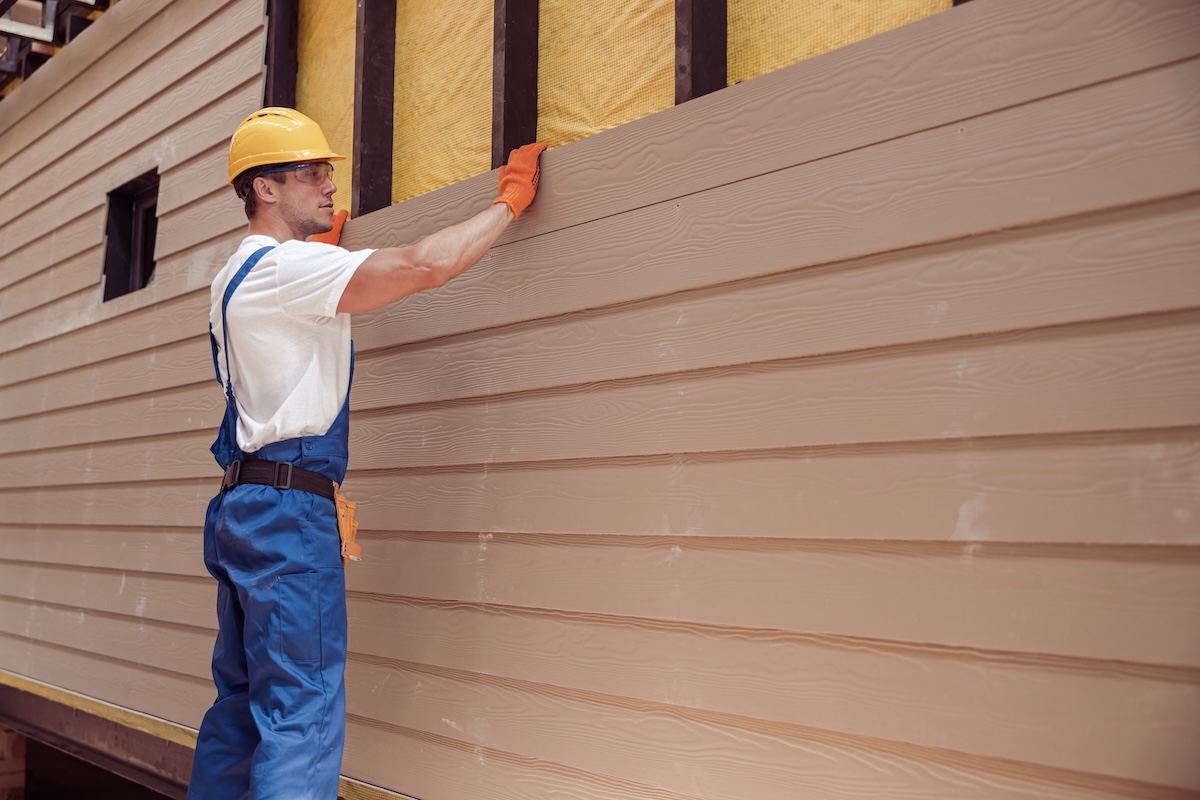
Because it’s lighter than fiber cement, engineered wood is often easier and faster to install, which can reduce labor costs.
- Simplifies handling for contractors
- Cuts cleanly without specialized tools
- Makes large projects more efficient
🏠 Lifespan & Durability Compared to Other Siding Options
How does engineered wood stack up against other common siding materials? Here’s a closer look.
Engineered Wood vs. Vinyl
- Durability: Engineered wood lasts longer, though vinyl is nearly maintenance-free.
- Appearance: Engineered wood looks more authentic, while vinyl can sometimes appear artificial.
- Cost: Vinyl is more affordable upfront.
Engineered Wood vs. Fiber Cement
- Durability: Fiber cement has a longer lifespan (up to 50 years).
- Installation: Engineered wood is easier and lighter to install.
- Cost: Engineered wood tends to be less expensive.
Engineered Wood vs. Natural Wood
- Durability: Engineered wood resists rot and pests better than natural wood.
- Maintenance: Requires far less upkeep.
- Appearance: Natural wood is unmatched in authenticity, but engineered wood comes close.
Engineered Wood vs. Stucco
- Durability: Stucco performs better in dry climates, but engineered wood is more versatile.
- Cost: Both fall into mid-range pricing, depending on style.
- Aesthetics: Stucco offers a smooth, Mediterranean look, while engineered wood provides a warm, traditional feel.
Overall, engineered wood strikes a balance that appeals to homeowners who want wood-like beauty without long-term upkeep headaches.
🔨 Maintenance Tips to Extend Lifespan
While engineered wood is relatively low-maintenance, taking the right steps ensures it performs well for decades.
Inspect Seasonally
- Check for chips, scratches, or exposed edges after storms.
- Address any areas where protective coatings may have worn down.
Clean Annually
- Rinse with a garden hose or soft brush to remove dirt and pollen.
- Avoid high-pressure washing, which can damage finishes.
Repaint or Refinish When Needed
- Some engineered wood products come prefinished with strong warranties.
- If repainting, use high-quality exterior paints for maximum adhesion and protection.
Maintain Gutters and Landscaping
- Keep water flowing away from siding to prevent moisture buildup.
- Trim back plants or trees that could trap dampness against the panels.
With these practices, engineered wood siding can meet or even exceed its projected lifespan.
📊 Cost Factors Homeowners Should Know
The price of engineered wood siding varies depending on product brand, style, and installation needs.
Material Costs
- Average range: $5 – $11 per square foot
- Premium finishes or shake-style panels often cost more
Installation Costs
- Easier to install than fiber cement, which can help reduce labor costs
- Expect additional charges for removal of old siding, disposal, or structural repairs
Long-Term Value
- Lower maintenance requirements mean fewer repainting and repair costs over decades
- Strong curb appeal increases resale value compared to vinyl or aluminum
Factoring both upfront and long-term costs gives homeowners a clearer picture of overall investment.
🛠️ Upgrade Your Home with Engineered Wood Siding
Engineered wood siding offers a powerful combination of beauty, durability, and value. It captures the timeless appeal of real wood while adding modern protection against pests, moisture, and wear. For homeowners who want the warm look of timber without the burden of constant upkeep, it’s one of the smartest choices available today.
If you’re exploring siding solutions and want expert guidance, contact us today to schedule a consultation. Our team can walk you through styles, pricing, and installation options to help you decide if engineered wood siding is the right fit for your home.